A balcony is one of the most underrated growing spaces in a home. It is close to the kitchen, easy to check on daily, and large enough for a surprising amount of produce and flowers if you plan it well. Starting a balcony garden does not require a big budget or years of experience, but it does reward a little forethought about light, weight, water, and wind before you buy your first pot.
This guide walks through the whole process in order: assessing your space, choosing containers and soil, selecting plants that suit the conditions, planting, and then the ongoing care that keeps a small garden productive through the season.
Step 1: Assess Your Balcony Before You Buy Anything
Every balcony has its own microclimate, and the difference between one side of a building and another can be dramatic. Spend a few days observing your space before making decisions. The goal is to understand four things: sunlight, wind, weight capacity, and access to water.
Sunlight
Track how many hours of direct sun the balcony receives and when. A south-facing balcony in the northern hemisphere typically gets the most sun, while north-facing balconies are shaded for most of the day. East-facing balconies get morning sun, and west-facing ones get strong afternoon sun, which can be intense in summer.
As a rough guide:
- 6+ hours of direct sun: suitable for fruiting vegetables such as tomatoes, peppers, and cucumbers, plus most herbs and sun-loving flowers.
- 3–6 hours: good for leafy greens, root vegetables, many herbs, and shade-tolerant flowers.
- Under 3 hours or bright indirect light: focus on lettuce, spinach, chard, mint, parsley, and foliage plants.
Remember that the sun’s path changes with the seasons, and that nearby buildings or trees may block light at certain times of year. Reflected heat from walls and railings also matters: a sunny balcony can run several degrees warmer than the garden below.
Wind
Upper-floor balconies and exposed corners can be windy. Wind dries out soil quickly, snaps tall stems, and stresses young plants. If your balcony is exposed, plan for sturdier containers, lower-growing plants, and perhaps a screen or railing planter that breaks the airflow. Avoid tall, top-heavy plants in the windiest spots.
Weight and Structure
This is the step most new gardeners skip. Soil is heavy, especially when wet, and a row of large ceramic pots can add up quickly. Balconies are designed to carry loads, but older buildings and lightweight structures may have limits.
Practical ways to reduce weight:
- Use fabric grow bags, plastic, or resin containers instead of heavy ceramic or concrete.
- Choose a lightweight potting mix rather than garden soil.
- Place the heaviest pots close to the wall or over structural supports, not at the outer edge of the railing.
- Use railing planters and vertical systems for lighter plants.
If you live in a rental or an older building, check your lease or ask the building manager about rules on balcony use, hanging planters, and watering runoff. Many buildings restrict what can be attached to railings or hung over the edge.
Water Access and Drainage
Carrying watering cans through an apartment gets old fast. Identify the nearest tap or decide on a watering routine that works for you. Also think about where excess water will go: saucers protect the floor, but they can also hold standing water that harms roots. Neighbours below may not appreciate runoff dripping from the balcony, so consider self-watering containers or a small drip tray system.
Step 2: Choose the Right Containers
Container choice affects how often you water, how much you can grow, and how the balcony looks. The most important rule is simple: every container needs drainage holes. Roots that sit in waterlogged soil rot quickly, and no amount of careful watering can fix a pot with no drainage.
| Container type | Best for | Things to know |
|---|---|---|
| Fabric grow bags | Vegetables, herbs, tomatoes | Lightweight, good airflow, dries out faster than plastic |
| Plastic or resin pots | Most plants | Cheap, light, retain moisture well; check for drainage holes |
| Terracotta | Herbs, flowers | Attractive but heavy and dries out quickly |
| Railing planters | Herbs, lettuce, trailing flowers | Saves floor space; must be securely attached |
| Self-watering containers | Tomatoes, peppers, busy gardeners | Reduce watering frequency; useful in hot, windy spots |
| Window boxes | Small herbs, salad greens | Shallow, so choose compact varieties |
Size matters more than most beginners expect. A tomato plant needs a container of roughly 30–40 litres to grow well, while a single lettuce plant can manage in a few litres. Small pots dry out fast and restrict roots, so when in doubt, go slightly larger than you think you need.
Step 3: Use the Right Soil
Never fill balcony containers with soil dug from the garden. Garden soil is dense, compacts in pots, drains poorly, and may carry weed seeds and pests. Use a quality potting mix designed for containers. These mixes are lightweight, hold moisture, and provide air space for roots.
A few soil tips:
- Look for a mix that includes compost or slow-release nutrients, or plan to feed regularly.
- Add perlite or coarse material if the mix seems dense and heavy.
- Top up soil levels over time, since mixes settle as they break down.
- Refresh or replace soil between major crops to reduce disease buildup.
Step 4: Pick Plants That Fit Your Conditions
The best balcony plants are the ones that match your light, space, and the amount of attention you can realistically give. Start with a small, manageable selection rather than trying to grow everything at once.
Easy Starts for Beginners
- Herbs: basil, mint, parsley, chives, thyme, and rosemary. Mint is best kept in its own pot because it spreads aggressively.
- Leafy greens: lettuce, spinach, chard, and rocket grow quickly and tolerate partial shade.
- Radishes and spring onions: fast, compact, and satisfying for small containers.
- Cherry tomatoes: more compact and easier to manage than large slicing varieties, provided they get enough sun.
- Chillies and peppers: productive in warm, sunny spots.
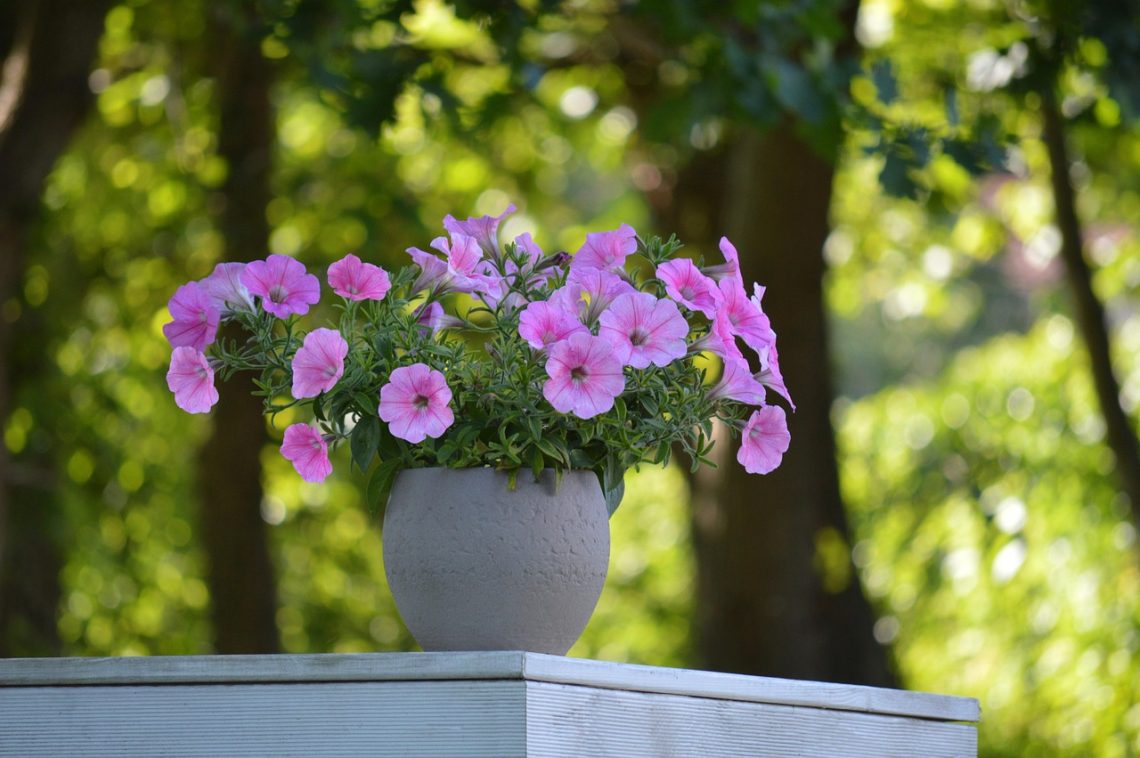
- Flowers: marigolds, nasturtiums, petunias, and geraniums add colour and attract pollinators.
Plants That Need More Room or Care
Full-size tomatoes, courgettes, cucumbers, aubergines, and fruit trees can all be grown on balconies, but they need larger containers, support structures, and consistent feeding and watering. They are better as a second-season project once you understand how your balcony behaves.
What to Avoid
Very tall or top-heavy plants in windy spots, invasive spreaders like mint in shared containers, and plants that demand conditions your balcony cannot provide. A shade-loving fern on a scorching west-facing balcony will struggle no matter how much you care for it.
Step 5: Plant and Arrange Your Balcony Garden
With containers, soil, and plants ready, planting is straightforward. Fill containers most of the way with potting mix, water it before planting, then set plants at the same depth they were growing in their nursery pots. Firm the soil gently and water again to settle it around the roots.
Arrange the balcony with the tallest plants at the back or against the wall so they do not shade smaller ones. Group plants with similar water needs together to make watering easier. Leave enough space to move around, reach the railing, and clean the floor.
If you are growing from seed, start with easy, fast germinators like lettuce, radishes, and basil. Seed trays can sit on a windowsill or a sheltered corner of the balcony until seedlings are strong enough to pot on.
Step 6: Water, Feed, and Maintain
Balcony gardening is mostly about water. Containers dry out much faster than garden beds, especially in wind and summer heat. Check soil moisture daily during hot weather by pushing a finger into the top few centimetres. Water when it feels dry, and water thoroughly until it runs out of the drainage holes rather than giving a light daily sprinkle.
Watering early in the morning reduces evaporation and gives plants time to dry before evening, which helps prevent fungal problems. Self-watering containers and a layer of mulch on the soil surface can reduce how often you need to water.
Feeding matters too, because container plants exhaust the nutrients in their potting mix. Use a balanced liquid fertiliser every couple of weeks during active growth, and switch to a tomato or flowering-plant feed once fruiting plants begin to flower. Follow the label rates; more is not better.
Other routine tasks:
- Pinch out basil and other herbs to encourage bushy growth.
- Remove spent flowers to keep plants producing.
- Check the undersides of leaves for pests such as aphids and whitefly.
- Tie tall plants to stakes or a small trellis before they lean.
- Turn pots occasionally so plants grow evenly toward the light.
Common Balcony Gardening Problems and Fixes
| Problem | Likely cause | What to do |
|---|---|---|
| Plants wilting despite watering | Waterlogged roots or root rot | Check drainage, reduce watering, repot if necessary |
| Leggy, pale growth | Not enough light | Move to a sunnier spot or choose shade-tolerant plants |
| Dry, crispy leaf edges | Wind, heat, or inconsistent watering | Add a wind screen, mulch, and water more regularly |
| Few flowers or fruits | Low light or lack of nutrients | Increase sun exposure and feed appropriately |
| Sticky leaves or tiny insects | Aphids, whitefly, or scale | Wash off with water, remove affected growth, use insecticidal soap if needed |
| Mould on soil surface | Poor airflow and overwatering | Improve ventilation, let soil dry between waterings |
Making a Small Balcony Feel Like a Garden
Once the practical side is sorted, a few touches make the space more enjoyable. Vertical planters and shelves multiply growing space without crowding the floor. A small stool or folding chair, a watering can kept nearby, and a pair of secateurs turn the balcony into a place you want to spend time in. Grouping pots at different heights creates depth, and a mix of foliage, flowers, and edibles keeps the display interesting through the season.
Seasonal rotation helps too. Cool-season crops like lettuce and spinach can follow summer tomatoes, and herbs can be refreshed in spring. Even a modest balcony can produce a steady supply of garnishes, salads, and a few prized tomatoes if you work with the conditions you have rather than against them.
Getting Started This Week
You do not need a perfect plan to begin. Observe your light for a few days, buy two or three containers with drainage holes, a bag of potting mix, and a handful of easy plants such as basil, lettuce, and a cherry tomato. Place them where they get the best light, water when the soil feels dry, and adjust as you learn how your balcony behaves. The first season is a learning experience, and the second is where a small balcony garden really starts to pay off.
Illustrative stock photo: neelam279 / Pixabay.