Winter is the season that quietly tests every houseplant owner. Days get shorter, indoor air turns dry from heating, and windowsills become cold, drafty places. Plants that thrived all summer may start dropping leaves, developing brown tips, or simply sitting still for months. None of this means you are failing as a plant parent. It usually means your plants have shifted into a slower seasonal rhythm and need different care.
Most tropical houseplants evolved in warm, humid environments with fairly consistent light. Winter changes all three of those conditions at once. Understanding what is actually happening inside the plant makes it much easier to adjust your routine with confidence rather than guesswork.
Understand Dormancy and Slower Growth
Many indoor plants do not truly go dormant the way outdoor perennials do, but most slow down noticeably. Reduced light limits photosynthesis, so the plant produces less energy. Growth may pause, new leaves may emerge more slowly or not at all, and the root system takes up less water. Some plants, such as certain succulents and bulbs, enter a more pronounced rest period.
This matters because the most common winter mistake is continuing a summer care routine. Watering on the same schedule, feeding on the same schedule, and expecting visible growth all lead to problems. The guiding principle for winter care is simple: do less, but observe more.
Rethink Your Watering Routine
Overwatering is the leading cause of houseplant decline in winter. Cooler temperatures, lower light, and slower growth mean soil stays wet for much longer. Roots sitting in soggy soil can rot, and the symptoms, yellowing leaves and dropped foliage, are easy to misread as underwatering.
Check the soil before every watering
Instead of following a calendar, test the potting mix. Push a finger two to three centimeters into the soil, or use a wooden chopstick inserted near the edge of the pot. If the mix feels moist and the chopstick comes out dark, wait. Water only when the top layer has dried to the depth appropriate for that plant.
Adjust for plant type
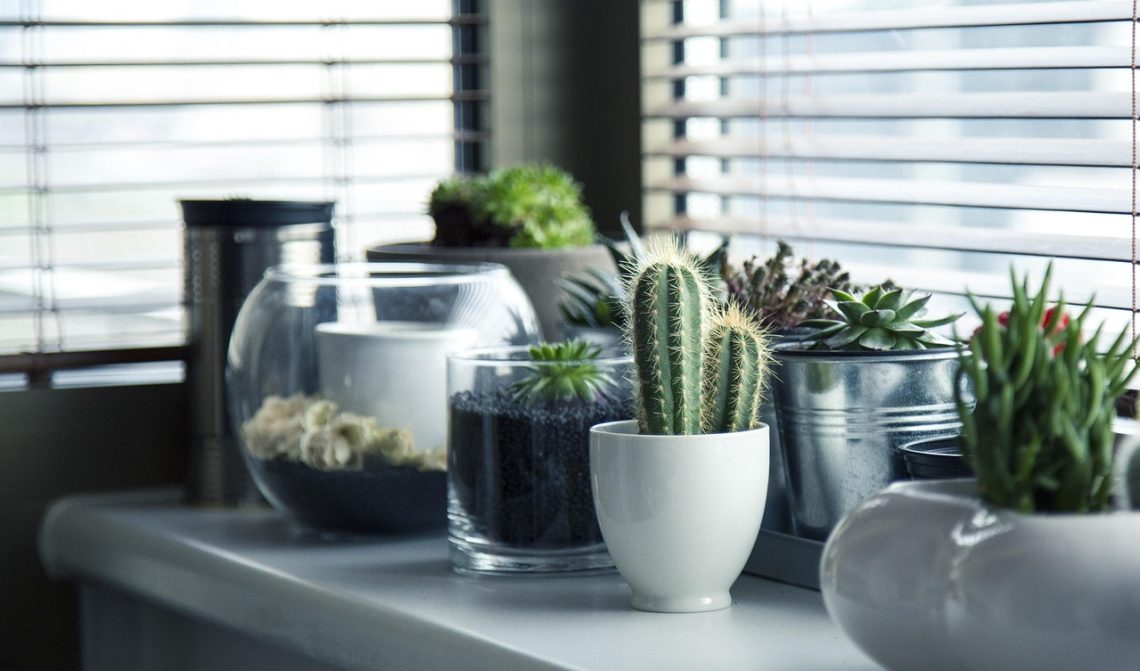
- Succulents and cacti: Water sparingly, perhaps every few weeks, and only when the soil is fully dry. Some can go longer.
- Tropical foliage plants such as pothos, philodendron, and monstera: Let the top few centimeters dry out between waterings.
- Moisture-loving plants such as ferns and calatheas: Keep the mix lightly moist but never waterlogged, and never let them sit in a full saucer.
- Flowering plants in active bloom such as holiday cactus or cyclamen: These may need more consistent moisture while flowering, so check more often.
Water with care
Use room-temperature water rather than icy tap water, which can shock roots. Water thoroughly until it drains from the bottom, then empty the saucer so the pot is not standing in water. Morning watering gives foliage time to dry before cooler nighttime temperatures.
Maximize the Light You Have
Winter light is weaker and shorter, and window glass filters some of what reaches your plants. A plant that was fine in a bright summer spot may now be in shade for much of the day.
Move plants closer to windows
Shift plants toward your brightest windows, usually south- or west-facing in the northern hemisphere. Rotate pots a quarter turn every week or two so growth stays balanced as plants lean toward the light.
Watch for cold drafts and hot radiators
Windowsills can be the coldest spot in the room at night and the hottest in direct sun by day. Keep foliage from pressing against cold glass, and keep plants away from radiators, heating vents, and drafty doors. A sheer curtain can soften harsh direct sun while still letting light through.
Consider supplemental lighting
If your home stays dim through winter, a simple LED grow light can make a real difference. Full-spectrum bulbs fit standard lamps, and even a few hours of supplemental light per day helps plants maintain energy. Place the light close enough to be useful but far enough that foliage does not overheat.
Raise Humidity Without Overdoing It
Heated indoor air is often much drier than the humid tropics where many houseplants originate. Low humidity shows up as brown, crispy leaf edges, curling leaves, and buds that fail to open.
- Group plants together. Clustering creates a slightly more humid microclimate around the foliage.
- Use a pebble tray. Set the pot on a tray of pebbles with water below the pot’s base so roots are not submerged.
- Run a humidifier. This is the most effective option in very dry homes, especially in rooms with many plants.
- Keep plants out of direct heat blasts. Moving a plant away from a vent often helps more than any humidity gadget.
Misting is popular but provides only brief, uneven moisture and can encourage fungal problems on some foliage. If you mist, do it in the morning and avoid plants with fuzzy leaves, such as African violets, which dislike wet foliage.
Pause or Reduce Fertilizing
Fertilizer supports growth, and most plants are not growing much in winter. Feeding heavily during this slow period can cause salt buildup in the soil and stress roots. As a general rule, stop or greatly reduce feeding for plants that have clearly slowed down, and resume when you see new growth in spring.
Exceptions exist. Plants under strong grow lights, actively flowering plants, and plants in warm, bright rooms may keep growing and can benefit from a diluted feed. When in doubt, less is safer than more.
Keep Temperatures Steady
Most tropical houseplants are comfortable in the same range people are, roughly 18 to 24 degrees Celsius during the day, with slightly cooler nights. The key word is steady. Chilly drafts, sudden blasts from a door, and wide swings between day and night near a window can all cause leaf drop.
Pay particular attention to plants near entryways and single-pane windows. If a windowsill feels cold to the touch, it is probably too cold for a tropical plant overnight.
Hold Off on Repotting and Heavy Pruning
Repotting stresses roots, and winter is a poor time for a plant to recover. Unless a plant is severely root-bound, waterlogged, or suffering from root rot, wait until spring when growth resumes. The same applies to major pruning: light removal of dead or damaged leaves is fine, but save structural shaping for the growing season.
Clean dusty leaves instead. Dust blocks light, and in the low-light months every bit of light matters. Wipe smooth leaves with a soft damp cloth, and use a soft brush for fuzzy foliage.
Watch for Winter Pests
Dry indoor air and crowded plants create favorable conditions for common pests. Spider mites thrive in warm, dry rooms and leave fine webbing and stippled, pale foliage. Fungus gnats often appear when soil stays wet too long. Mealybugs and scale can hide in leaf joints and along stems.
Inspect plants weekly, especially the undersides of leaves and the points where leaves meet stems. Isolate any plant showing pests, clean the foliage, and treat promptly. Letting the top of the soil dry between waterings helps discourage fungus gnats, while higher humidity and regular leaf checks help keep spider mites in check.
Adjust for Special Cases
Holiday plants
Poinsettias, Christmas cactus, amaryllis, and cyclamen arrive in winter and have specific needs. Poinsettias dislike cold drafts and overwatering. Christmas cactus prefers bright, indirect light and should not be overwatered while blooming. Cyclamen likes cool, bright conditions and consistent moisture. Enjoy them as seasonal guests and adjust care to their preferences rather than treating them like standard foliage plants.
Plants near cold windows
If condensation freezes on the glass or the sill feels icy, move plants a little farther into the room. A layer of bubble wrap against the glass, on the room side, can insulate without blocking much light.
New plants
Winter is not the ideal time to bring home a demanding new plant, but if you do, quarantine it for a couple of weeks and give it the brightest spot you have. Expect slow establishment until spring.
A Quick Winter Care Checklist
| Task | Winter adjustment |
|---|---|
| Watering | Check soil before watering; water less often and always drain excess |
| Light | Move plants to the brightest spots; rotate weekly; consider grow lights |
| Humidity | Group plants, use pebble trays or a humidifier; keep away from vents |
| Feeding | Pause or dilute for slow-growing plants; resume in spring |
| Temperature | Avoid drafts and cold glass; keep conditions steady |
| Repotting | Defer until spring unless treating root problems |
| Pest checks | Inspect weekly; isolate and treat any infested plant |
| Cleaning | Wipe dust from leaves so plants capture more light |
Signs Your Winter Care Is Working
Healthy winter houseplants are not necessarily pushing out new leaves. Look instead for steady, deep green foliage, firm stems, and no spreading yellowing or crispy edges. A plant that holds its shape and loses few leaves through the darker months is doing well.
If something goes wrong, resist the urge to compensate with extra water or fertilizer. Diagnose first: check the soil moisture, inspect for pests, and note the plant’s distance from light and heat sources. Most winter problems trace back to one of those factors.
Above all, be patient. Winter is a rest period, and the goal is to keep plants comfortable until longer days return. When spring arrives and you see fresh growth, you can gradually increase watering and feeding, repot if needed, and return to a more active routine. Careful winter attention now sets up a strong growing season later.
Illustrative stock photo: milivigerova / Pixabay.