There is something quietly satisfying about snipping a few leaves of basil or parsley from a pot on your windowsill while dinner simmers on the stove. Indoor herb gardening brings fresh flavor within arm’s reach, adds greenery to a room, and works in apartments, dorm rooms, and kitchens with no yard at all. The catch is that not every herb takes kindly to indoor life. Some demand intense light, some resent dry indoor air, and others sulk when their roots stay wet.
This guide focuses on the herbs that are genuinely forgiving indoors, explains what each one needs, and covers the practical details — light, containers, watering, feeding, and harvesting — that separate a thriving windowsill from a sad row of yellowing stems.
Why Some Herbs Thrive Indoors and Others Don’t
Most culinary herbs are outdoor plants by nature, and many are Mediterranean species adapted to bright sun, gritty soil, and dry air. Indoors, they face three common challenges: less light than they evolved for, still air, and soil that dries slowly in a saucer. Herbs that tolerate partial shade, flexible watering, and moderate humidity tend to adapt best.
Two groups generally do well inside:
- Soft, leafy herbs such as basil, mint, parsley, and cilantro, which grow quickly and can be harvested repeatedly.
- Sturdy, slower-growing herbs such as chives, thyme, oregano, and sage, which tolerate leaner conditions and less frequent watering.
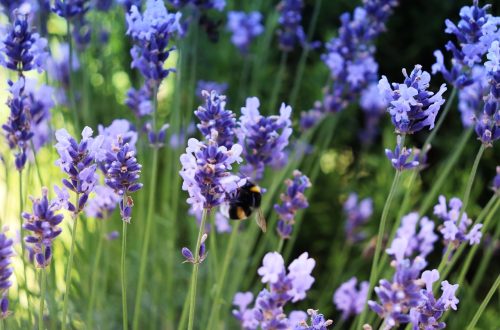
Herbs that struggle indoors include rosemary (it wants strong light and excellent drainage), dill (it resents transplanting and grows tall fast), and lavender (it needs very bright light and dry roots). They can be grown inside, but they are not the easiest place to start.
The Easiest Herbs to Grow Indoors
Basil
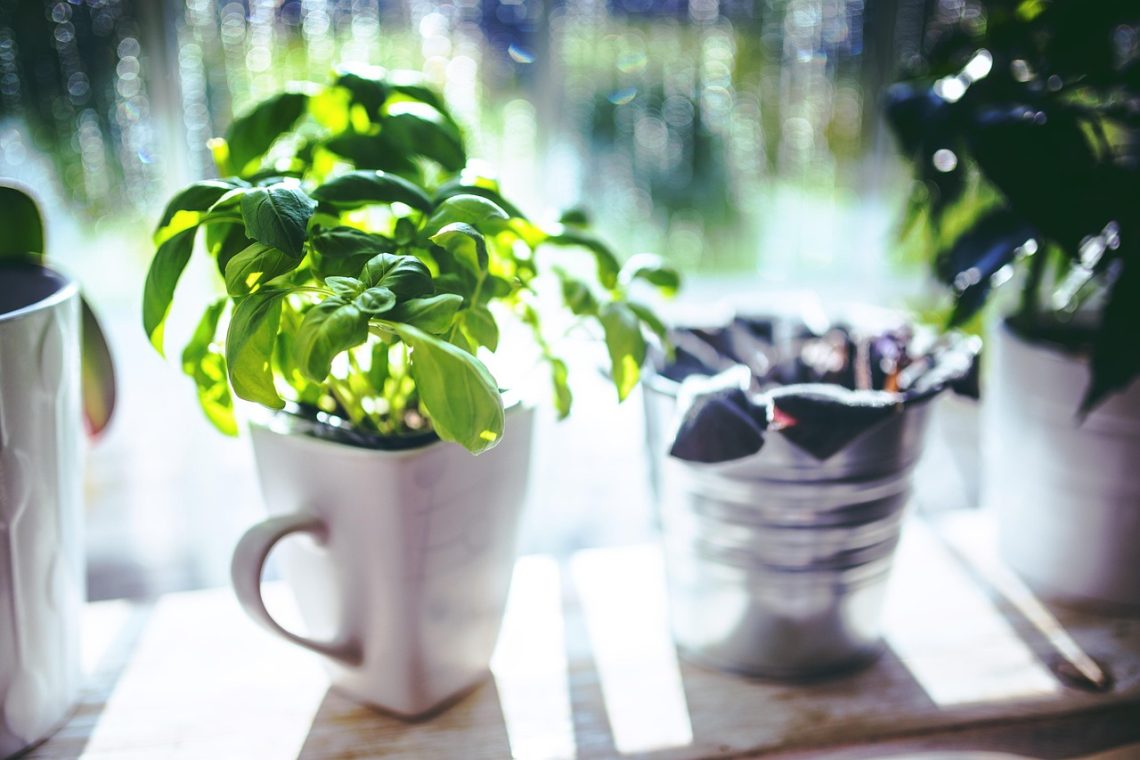
Basil is the classic windowsill herb and one of the most rewarding. It grows quickly from seed or a small nursery plant, smells wonderful, and gives you repeated harvests. Sweet basil, bush basil, and Thai basil all work indoors.
Basil wants warmth and plenty of light — a south- or west-facing window is ideal. It dislikes cold drafts and soggy roots. Pinch off the growing tips regularly to keep the plant bushy; if you let it flower, leaf production slows and the flavor turns sharper. Basil is tender, so keep it away from chilly windowsills in winter.
Mint
Mint is nearly foolproof, sometimes to a fault. It spreads aggressively by runners, so always grow it in its own pot rather than sharing with other herbs. Spearmint and peppermint are the most common choices, and both tolerate moderate light and fairly generous watering.
Mint prefers soil that stays lightly moist and will accept a few hours of direct sun or bright indirect light. It can get leggy indoors, so trim it often — the trimmings are your harvest. If leaves turn pale and stems stretch, move it closer to the light.
Chives
Chives are among the most dependable indoor herbs. They grow in clumps of slender green blades, tolerate average indoor light, and regrow after cutting. They also produce edible purple flowers in season, which are lovely in salads.
Give chives bright light and let the top of the soil dry slightly between waterings. Snip the outer blades near the base rather than shearing the whole clump, and the plant will keep producing. Chives are hardy and forgiving of occasional neglect.
Parsley
Parsley is a biennial that grows as a leafy plant in its first year, which is exactly what indoor growers want. Flat-leaf parsley has stronger flavor; curly parsley is decorative and equally easy. It tolerates brighter indirect light and moderate watering.
Parsley germinates slowly from seed — patience is required — so starting with a small plant is often more practical. Harvest outer stems at the base rather than plucking individual leaves, and the plant will keep generating new growth from the center.
Cilantro
Cilantro (coriander) grows fast and offers both leaves and, if you let it, seeds. It is a cool-season herb that tends to bolt — run to flower — in heat, so indoor temperatures suit it reasonably well. It prefers bright light and evenly moist soil.
The main drawback is that cilantro is short-lived. Sow seeds every few weeks for a continuous supply, or accept that you will replace plants periodically. It does not transplant well, so sow directly into its final pot.
Thyme
Thyme is a compact, woody herb that handles indoor conditions better than many Mediterranean cousins. It needs bright light and excellent drainage — a gritty potting mix helps — and it prefers to dry out between waterings. Overwatering is the most common way indoor thyme fails.
Harvest by snipping stems rather than stripping leaves, and trim the plant lightly to keep it from becoming woody and sparse.
Oregano
Oregano shares thyme’s preferences: bright light, well-draining soil, and a chance to dry out. It grows bushier indoors than rosemary or lavender and rewards regular harvesting. Greek oregano is prized for flavor, while common oregano is widely available and tough.
Sage
Sage is a sturdy, aromatic herb with soft gray-green leaves. It tolerates somewhat drier indoor air and average humidity, provided it gets strong light and soil that drains freely. It grows slowly, so harvest sparingly at first and pinch tips to encourage branching.
Quick Comparison of Easy Indoor Herbs
| Herb | Light Needs | Watering | Difficulty | Best For |
|---|---|---|---|---|
| Basil | Bright, several hours of sun | Keep evenly moist | Easy | Pesto, salads, caprese |
| Mint | Bright indirect to partial sun | Lightly moist | Very easy | Tea, drinks, desserts |
| Chives | Bright light | Slightly dry between waterings | Very easy | Garnishes, eggs, potatoes |
| Parsley | Bright indirect light | Moderate, evenly moist | Easy | Tabouleh, sauces, garnish |
| Cilantro | Bright light | Evenly moist | Easy but short-lived | Salsa, curries, salads |
| Thyme | Strong light | Dry out between waterings | Moderate | Roasts, soups, stuffing |
| Oregano | Strong light | Dry out between waterings | Moderate | Pizza, tomato dishes |
| Sage | Strong light | Moderate, well-drained | Moderate | Stuffing, brown butter |
Light: The Single Biggest Factor
Indoor herbs fail more often from insufficient light than from any other cause. A windowsill that looks bright to human eyes can still be dim by plant standards. Most culinary herbs want at least four to six hours of direct sun or very bright indirect light daily.
South-facing windows offer the most light in the northern hemisphere; east and west windows are next best; north-facing windows are usually too dim for sun-loving herbs unless supplemented. Rotate pots a quarter turn every week or so to keep growth even, and move plants closer to the glass in winter when daylight is short.
If your windows are shaded, a small LED grow light makes an enormous difference. A simple full-spectrum fixture on a timer for 12 to 14 hours a day can turn a dim kitchen corner into a productive herb shelf.
Containers and Potting Mix
Choose pots with drainage holes — always. Herbs hate standing water, and a decorative outer pot without drainage is a common cause of root rot. Terracotta breathes and dries faster, which suits thyme and oregano; glazed or plastic pots hold moisture longer, which suits basil and mint.
Use a light, free-draining potting mix rather than garden soil, which compacts in containers. For Mediterranean herbs, mix in extra perlite or coarse sand to improve drainage. A saucer is fine for catching runoff, but empty it after watering so roots never sit in water.
Give each herb its own pot where possible. Different water and light needs make shared planters tricky, and vigorous growers like mint will crowd out gentler neighbors.
Watering Without Overdoing It
The most reliable rule is to check the soil before watering rather than following a fixed schedule. Push a finger about an inch into the mix: if it feels dry at that depth, water thoroughly until it runs out the drainage holes. If it still feels damp, wait.
Water needs vary by herb. Basil, mint, parsley, and cilantro prefer soil that stays lightly moist. Thyme, oregano, and sage prefer to dry out somewhat between waterings. Indoor air is often dry, especially in winter with heating, so plants near radiators may need more frequent checks.
Signs of trouble are usually readable: yellowing lower leaves and soggy soil point to overwatering, while crisp edges and drooping suggest underwatering or dry air. Adjust based on what the plant shows you.
Feeding and Humidity
Herbs grown for leaves benefit from modest feeding. A diluted liquid fertilizer every few weeks during active growth is usually enough; too much nitrogen produces lush, weak growth with less flavor. Slow-growing woody herbs need very little.
Most kitchen herbs tolerate ordinary household humidity, but basil and cilantro appreciate a little extra moisture in dry winter air. Grouping pots together or placing them on a pebble tray with water can help without the fuss of a humidifier. Avoid misting leaves heavily, which can encourage fungal problems in still air.
Harvesting for More Growth, Not Less
Regular harvesting is good for most herbs — it encourages branching and prevents legginess. The key is to cut in the right place.
- Basil: pinch or snip just above a pair of leaves, removing the growing tip. Never strip more than about a third of the plant at once.
- Mint: cut stems back to a leaf node; the plant will bush out.
- Chives: snip outer blades close to the base, leaving the center to regrow.
- Parsley and cilantro: cut outer stems at the base rather than plucking individual leaves.
- Thyme, oregano, and sage: snip stem tips, avoiding the older woody growth.
Harvest in the morning if you can, when leaves are well hydrated and flavorful. Use herbs fresh, or chop and freeze them in ice cube trays with a little water or oil for later cooking.
Common Problems and Simple Fixes
Leggy, Stretched Growth
This is a light problem. Move the plant closer to a bright window or add a grow light, and pinch back the stretched stems to encourage fuller growth.
Yellowing Leaves
Often caused by overwatering or poor drainage. Check that the pot drains freely, let the soil dry slightly, and reduce watering frequency.
Pests
Indoor herbs can attract aphids, spider mites, fungus gnats, and whiteflies. Inspect leaf undersides regularly. Improve airflow, avoid overwatering (which breeds fungus gnats), and remove affected leaves promptly. Insecticidal soap can help with soft-bodied pests, but always follow label directions and test on a small area first.
Wilting Despite Wet Soil
Root rot from prolonged saturation can cause wilting even when the soil is wet. If the mix smells sour and roots look brown and mushy, the plant is unlikely to recover; start fresh with better drainage.
Starting Herbs: Seeds vs. Nursery Plants
Buying small nursery plants is the fastest route to a usable harvest and is ideal for beginners. Seeds are cheaper and offer more variety, but some herbs — parsley, thyme, oregano, and sage — germinate slowly and need patience. Basil and cilantro sprout relatively quickly and are good seed choices for indoor growing.
If you start seeds, use a light seed-starting mix, keep it consistently moist but not soaked, and provide bright light immediately after germination to prevent stretching. Once seedlings have a few sets of true leaves, move them into their final pots.
Keeping the Windowsill Garden Going Year-Round
Indoor herbs are not permanent fixtures. Basil and cilantro are annuals that eventually decline; parsley is biennial and will slow after its first year; mint and chives can last much longer with regular division and repotting. Expect to refresh some plants seasonally, and treat that as normal rather than failure.
In winter, shorter days and dry heated air stress indoor herbs. Move pots to the brightest spot available, reduce watering slightly since growth slows, and hold back on fertilizer until daylight lengthens. A simple grow light and a weekly rotation habit can keep a small supply of fresh herbs going through the coldest months.
Start with two or three of the easiest herbs — basil, mint, and chives are a strong trio — and learn how they respond to your particular windows and schedule. Once those are thriving, expand to parsley, cilantro, thyme, and beyond. The reward is a small, living kitchen garden that flavors your cooking and brightens the room.
Illustrative stock photo: kaboompics / Pixabay.