Pollinators are the quiet workforce behind much of the food we eat and the flowers we love. Bees, butterflies, moths, hoverflies, beetles, and even some birds and bats move pollen from one bloom to another, helping plants set fruit and seed. A garden designed with them in mind is not only more productive—it is also livelier, more colorful, and more resilient. The good news is that attracting pollinators does not require a large plot or expensive equipment. It requires a handful of deliberate choices about plants, structure, water, and how you manage the space.
Start With the Basics: What Pollinators Need
Every pollinator garden, whether it is a balcony of pots or a half-acre meadow, works because it provides four things: food, water, shelter, and safety from chemicals. Think of these as the four pillars of pollinator habitat.
- Food: Nectar for energy and pollen for protein, available across as many months as possible.
- Water: Shallow, safe drinking spots with landing places.
- Shelter: Nesting sites, overwintering cover, and places to escape wind and weather.
- Safety: Little or no pesticide use, plus undisturbed ground and stems where insects can complete their life cycles.
Most gardeners focus on flowers first, and that is a sensible starting point. But a garden full of nectar plants with no nesting habitat and a habit of spraying is only half a solution. The most effective approach layers all four needs together.
Choose Flowers That Actually Feed Pollinators
Not all flowers are equally useful. Highly bred double blooms often hide their nectar and pollen behind layers of petals, making them difficult or impossible for insects to reach. Single, open-faced flowers are generally the better choice. Native plants are especially valuable because local pollinators have evolved alongside them, though many non-native garden plants are also excellent nectar sources.
Look for Open, Accessible Flowers
Simple daisy-like shapes, tubular flowers, and plants with exposed centers give insects a place to land and feed. When shopping, check the label for single-flower varieties and avoid anything described as “fully double” if your goal is pollinator support.
Plant for a Long Blooming Season
Pollinators need food from early spring through late autumn, not just in midsummer. A garden that peaks for three weeks in July will starve its visitors for the rest of the year. Aim for at least three plants in bloom during each season.
| Season | What to Provide | Example Plant Types |
|---|---|---|
| Early spring | Early nectar for emerging bees | Willow, hellebore, lungwort, flowering currant, crocus |
| Late spring | Abundant bloom as colonies grow | Borage, comfrey, allium, columbine, chives |
| Summer | Peak nectar and pollen | Lavender, coneflower, catmint, salvia, sunflower, thyme |
| Late summer | Food for new queens and butterflies | Buddleia, oregano, joe-pye weed, goldenrod, hyssop |
| Autumn | Fuel before winter dormancy | Aster, sedum, ivy, autumn sage, single dahlias |
Plant in Drifts, Not Singles
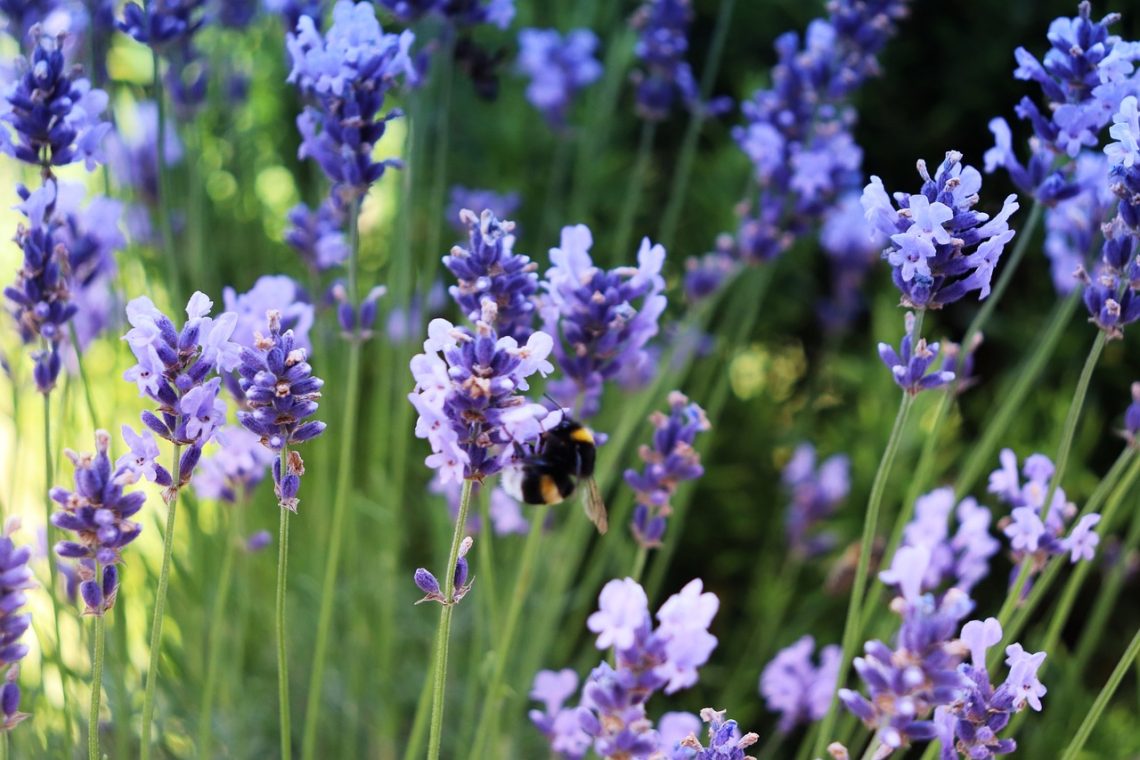
Pollinators are efficient foragers. They learn where good food is and return to it repeatedly. A single lavender plant is a snack; a group of five or seven is a destination. Grouping the same plant species in clumps of at least three to five gives insects a visible target and reduces the energy they spend searching.
Favor Native and Regionally Adapted Plants
Native plants support the widest range of local insects, including specialist species that can feed on only one or two plant families. Regionally adapted plants also tend to need less water and care, which makes the garden easier to maintain. A useful rule of thumb is to make natives the backbone of the planting and use well-behaved non-natives as seasonal accents.
Design for Different Pollinators
“Pollinators” is a broad category, and different visitors have different body shapes and preferences. A garden that caters to several groups will be more diverse and more interesting.
Bees
Bees see ultraviolet light and are drawn to blue, purple, white, and yellow flowers. They need both nectar and pollen, so include plants with visible, accessible anthers. Bumblebees favor deep, tubular flowers such as foxglove, comfrey, and salvia, while smaller solitary bees prefer shallow, open blooms like daisies and sedum.
Butterflies and Moths
Butterflies need two kinds of plants: nectar flowers for adults and specific host plants for caterpillars. If you want butterflies to breed in your garden, include host plants such as milkweed for monarchs, nettle for several species, or fennel and parsley for swallowtails. Moths, many of which are nocturnal, are attracted to pale, strongly scented flowers that are easy to find after dark.
Hoverflies and Other Flies
Hoverflies are important pollinators and their larvae often eat aphids, making them a gardener’s ally. They are drawn to flat, open flowers with easy access to nectar, including umbellifers such as fennel, dill, and yarrow, as well as daisies and marigolds.
Hummingbirds (Where They Occur)
In regions with hummingbirds, tubular red and orange flowers such as trumpet vine, salvia, and penstemon are classic attractants. These birds need nectar-rich blooms and a reliable water source, and they appreciate shrubs for perching and nesting.
Provide Water Safely
Pollinators get thirsty, and a garden with a reliable water source will hold more visitors. The challenge is that most pollinators are small and can drown in deep water. The solution is to offer shallow water with plenty of landing places.
- Use a shallow dish, birdbath, or saucer filled with pebbles or stones that break the surface.
- Add a few twigs or floating cork pieces so insects can climb out.
- Refresh the water every few days to prevent mosquito breeding.
- Place water near flowers but in partial shade so it stays cooler and evaporates more slowly.
- Create a small muddy patch for butterflies, which gather minerals from damp soil.
Build Shelter and Nesting Habitat
Flowers feed pollinators, but they also need places to live. Different species use different nesting strategies, and a little untidiness goes a long way.
Ground-Nesting Bees
Many solitary bees and bumblebees nest in the ground, often in bare or sparsely vegetated soil. Leave a sunny patch of undisturbed, well-drained ground—ideally a small mound or bank—and resist the urge to mulch or till it. Ground-nesting bees are gentle and rarely sting unless handled.
Stem-Nesting Bees
Some small bees lay eggs inside hollow plant stems. Rather than cutting everything back in autumn, leave stems standing through winter and cut them back in spring, or bundle cut stems and hang them in a sheltered spot. A simple bee hotel with correctly sized tubes can help, but natural stems are often more effective.
Butterfly and Moth Shelter
Butterflies need sheltered spots to roost and overwinter. Dense shrubs, tall grasses, log piles, and leaf litter provide cover. A brush pile in a corner of the garden is a small sacrifice that supports a surprising amount of wildlife.
Windbreaks and Layered Planting
Pollinators are small and tire easily in wind. A mixed border with tall grasses, shrubs, and perennials creates calm pockets where insects can feed and rest. Layered planting—ground cover, mid-height flowers, and taller shrubs—also offers more habitat in the same footprint.
Go Chemical-Free (or Nearly So)
Pesticides are one of the biggest threats to pollinators. Insecticides can kill bees and butterflies directly, and herbicides remove the wildflowers that pollinators depend on. Even some “organic” products can harm beneficial insects if applied carelessly.
- Avoid spraying open flowers, and never apply insecticide while plants are in bloom.
- Treat pests with targeted methods first: hand-picking, water sprays, barriers, and encouraging predators.
- Accept some cosmetic damage. A few chewed leaves usually mean caterpillars, which become butterflies.
- If you must treat, do it in the evening when most pollinators are inactive, and follow the label exactly.
Make Small Spaces Count
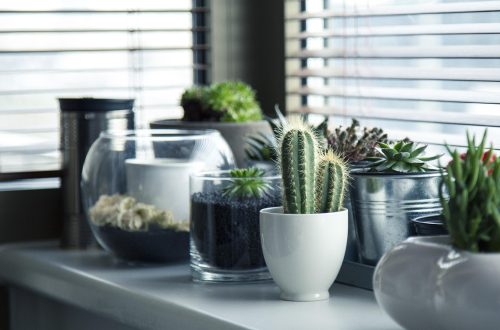
You do not need a meadow. Balconies, courtyards, and window boxes can support pollinators if the planting is dense and varied.
- Choose compact, long-blooming plants such as lavender, salvia, thyme, and calendula.
- Group pots together to create a microclimate and a stronger visual target for insects.
- Include at least one early and one late bloomer to extend the season.
- Add a small shallow water dish and leave a few stems uncut for nesting.
- Avoid wind tunnels between buildings; use a trellis or screen to create calm air.
Maintain the Garden With Pollinators in Mind
Ongoing care matters as much as initial planting. A few adjustments to routine maintenance can make a big difference.
Delay the Autumn Cleanup
Many pollinators overwinter in stems, leaf litter, and hollow plant material. Leaving the garden standing until spring gives them time to emerge. If tidiness matters, cut stems in late spring once temperatures have consistently warmed.
Leave Some Bare Ground
Mulch is useful for moisture and weed control, but too much of it covers the nesting sites ground bees need. Leave a few patches unmulched, especially in sunny, well-drained spots.
Provide a Continuous Supply of Flowers
Deadhead some plants to encourage repeat bloom, but leave others to set seed—seed heads feed birds and provide winter interest. Succession planting, such as sowing quick annuals in gaps, keeps the nectar supply going.
Observe and Adjust
Spend time in the garden and note which plants attract the most visitors. Pollinator preferences vary by region and season, and local observation is more valuable than any generic list. If a plant is ignored, consider replacing it with something that performs better in your conditions.
Common Mistakes to Avoid
- Planting only double flowers: They look lush but often offer little or no accessible nectar.
- Ignoring the off-season: A summer-only garden leaves pollinators hungry in spring and autumn.
- Over-cleaning: Removing every stem and leaf removes habitat.
- Using broad-spectrum sprays: These harm the very insects you are trying to attract.
- Forgetting water: A garden without a safe drinking spot is less inviting than it could be.
- Planting single specimens: One plant of each species is harder for pollinators to find and use efficiently.
A Garden That Gives Back
Attracting pollinators is less about a single trick and more about consistent, thoughtful choices. Plant open, single flowers in generous groups; stretch the bloom season from early spring to late autumn; add shallow water and undisturbed nesting spots; and keep chemicals out of the picture. These steps cost little and pay back in abundance—more flowers set seed, more fruit on your vegetables, and a garden that hums with life from the first warm day to the last.
Start small. Even one new clump of lavender, a shallow dish of water, and a patch of bare soil left alone can bring more pollinators into your space this season. The garden will do the rest.
Illustrative stock photo: Van3ssa_ / Pixabay.