Lighting is one of the few design decisions that changes how a room looks, feels, and functions all at once. The same living room can feel cozy in the evening, bright and welcoming for guests, and practical for reading, simply by layering the right fixtures. Yet many homes still rely on a single ceiling light per room, which flattens a space and often creates glare where you least want it.
Choosing lighting for different rooms is less about picking a stylish fixture and more about matching light to the activities that happen there. This guide walks through the principles that apply everywhere, then breaks down the specific needs of kitchens, living rooms, bedrooms, bathrooms, home offices, and hallways.
Start With the Three Layers of Light
Professional lighting design almost always relies on three complementary layers. Understanding them makes every room decision easier.
- Ambient lighting: The general illumination that lets you move safely and see the whole room. Ceiling fixtures, chandeliers, and recessed lights typically fill this role.
- Task lighting: Focused light for specific activities such as cooking, reading, shaving, or working at a desk. Under-cabinet strips, desk lamps, and vanity lights are task lights.
- Accent lighting: Directional light that highlights architecture, artwork, or plants, and adds depth. Picture lights, wall washers, and small spotlights create accent light.
A room rarely needs all three layers at full strength at once. The goal is to have options, controlled by separate switches or dimmers, so the room can shift from bright and functional to soft and atmospheric.
Two Numbers That Shape Every Room: Lumens and Kelvin
Before choosing fixtures, it helps to understand the two specifications that most affect how a room feels.
Brightness (lumens)
Lumens measure the total light output of a bulb or fixture. Wattage tells you how much energy a bulb uses, not how bright it is, which matters now that LED bulbs produce far more light per watt than older incandescent ones. As a rough starting point for ambient light, aim for something in the range of 10 to 20 lumens per square foot of floor area, then adjust for ceiling height, wall color, and personal preference. Dark walls and high ceilings absorb light and usually need more; small rooms with light walls need less.
Color temperature (Kelvin)
Kelvin describes the warmth or coolness of white light. Lower numbers are warmer and more amber; higher numbers are cooler and bluer.
| Color temperature | Character | Typical use |
|---|---|---|
| 2200–2700K | Very warm, amber | Bedside lamps, evening ambiance, decorative accents |
| 2700–3000K | Warm white | Living rooms, bedrooms, dining rooms, most of the home |
| 3000–3500K | Neutral warm | Kitchens, bathrooms, mixed-use spaces |
| 3500–4500K | Cool white | Home offices, garages, detailed work areas |
Consistency matters. Mixing a very warm bulb in one corner with a very cool one in another can make a room feel disjointed. Choosing one color temperature per room, or sticking within a narrow range, usually looks more intentional.
Kitchen Lighting: Bright, Layered, and Shadow-Free
Kitchens are the most demanding rooms to light because they combine precision work with social gathering. A single central fixture leaves you casting shadows on the counter exactly where you need to see.
What a well-lit kitchen includes
- Ambient light: Recessed downlights, a linear ceiling fixture, or pendants spread across the ceiling rather than one central point.
- Task light: Under-cabinet lighting along the countertops, ideally positioned toward the front edge of the upper cabinets so light falls on the work surface rather than reflecting off the backsplash.
- Accent and feature light: Pendants over an island or peninsula, and perhaps small lights inside glass-front cabinets.
Aim for a neutral warm white around 3000–3500K so food looks appetizing and chopping, measuring, and reading recipes stay comfortable. Place downlights so they illuminate counters and the sink rather than landing directly behind where a person stands, which creates shadows. Dimmers are especially valuable here: full brightness for cooking, lower levels for a late-night glass of water.
Living Room Lighting: Flexible and Layered
The living room usually hosts the widest range of activities: conversation, reading, watching television, entertaining, and relaxing. That variety is exactly why layered lighting pays off.
A practical living room recipe
- Ambient: A ceiling fixture, recessed lights, or a combination that provides even background light.
- Task: A floor lamp or table lamp beside each seating position used for reading. Adjustable arms or angled shades help direct light onto a book rather than into someone’s eyes.
- Accent: A picture light over artwork, a spotlight on a plant, or a small lamp on a sideboard to add depth and warmth.
Warm white light around 2700–3000K suits the living room’s relaxed mood. Dimming is close to essential: bright for cleaning and board games, medium for entertaining, low for movies and quiet evenings. If the television is a focal point, avoid placing lamps or downlights where they will reflect on the screen or sit in the viewer’s line of sight.
Bedroom Lighting: Calm, Controllable, and Glare-Free
Bedrooms serve two very different lighting needs: practical visibility for dressing and reading, and a wind-down atmosphere that supports sleep.
Key choices for bedrooms
- Bedside reading lights: Wall-mounted swing-arm sconces or table lamps with separate switches on each side of the bed, so one person can read without disturbing the other.
- Ambient light: A ceiling fixture on a dimmer, or soft indirect light from a floor lamp or cove lighting.
- Closet lighting: A simple fixture or LED strip inside the wardrobe makes choosing clothes much easier.
Keep color temperature warm, around 2700K, and avoid bright cool-white light near bedtime. Light exposure in the evening can make it harder to feel sleepy, so dim, warm lamps are a better choice than overhead downlights in the hour before bed. Motion-activated or low-level night lighting in hallways and bathrooms also helps avoid turning on harsh lights during the night.
Bathroom Lighting: Safety and Grooming Accuracy
Bathrooms need bright, even light for grooming plus safe light for nighttime visits. The biggest mistake is a single fixture above the mirror, which casts shadows under the eyes and makes shaving or applying makeup difficult.
Better bathroom lighting
- Vanity lighting: Vertical fixtures or sconces on either side of the mirror at face height, or a wide horizontal fixture above it, to light the face evenly.
- General lighting: A ceiling fixture or recessed lights for overall visibility and cleaning.
- Shower and bath lighting: A dedicated, damp-rated fixture over the tub or shower if the ceiling is high enough.
- Night lighting: A low-level light or motion sensor for nighttime trips.
Choose fixtures rated for damp or wet locations as appropriate, and use a neutral white around 3000–3500K so skin tones and clothing colors read accurately. Brightness should be generous but not glaring; placing light sources at face level rather than directly overhead reduces shadows.
Home Office Lighting: Focus and Comfort
A home office is a workspace, and lighting affects comfort and concentration over long stretches. The priorities are reducing glare on screens and providing even light around the desk.
Office lighting essentials
- Task light: A desk lamp with an adjustable arm, positioned to the side of your dominant hand so it doesn’t cast a shadow on your writing or keyboard.
- Ambient light: Soft overhead or indirect light that reduces contrast between the bright screen and a dark room, which can cause eye strain.
- Background light: A lamp or wall light behind the desk to soften the visual field.
Cooler white light around 3500–4500K is often preferred for focused work, though personal comfort varies. Position the desk so that windows are to the side rather than directly behind or in front of the screen, and use blinds or curtains to control daytime glare.
Dining Room Lighting: Centerpiece and Mood
The dining table is a natural focal point, and a pendant or chandelier hung above it can anchor the room. Hang the fixture low enough to feel connected to the table but high enough that seated guests can see each other comfortably, typically around 30 to 36 inches above the table surface depending on fixture size and ceiling height.
Warm light around 2700K makes food and skin tones look appealing. Put the fixture on a dimmer so the room can shift from bright for homework and crafts to intimate for dinner. Candle-style bulbs or fixtures with diffusers soften glare; exposed bulbs at eye level can be harsh.
Hallways, Stairs, and Entryways: Safety First
Circulation spaces need even, reliable light with no dark gaps on stairs or thresholds. Recessed lights or wall sconces spaced along a hallway prevent the pools of light and shadow that a single fixture creates. In entryways, a pendant or ceiling fixture plus a lamp on a console table makes the space feel welcoming. Motion sensors are useful for stairs and garages, and warm white light keeps transitional spaces feeling consistent with the rest of the home.
Practical Tips That Apply to Every Room
- Use dimmers wherever possible. They multiply the usefulness of a single fixture and are inexpensive compared with adding new wiring.
- Separate the layers onto different switches. Being able to turn on task lights without the overhead light is what makes layering work.
- Match bulb bases and shapes to the fixture. Check whether a fixture takes standard, candelabra, or specialty bulbs before buying, and confirm the bulb fits inside shades and globes.
- Consider LED compatibility. Some older dimmers cause LED bulbs to flicker or buzz; dimmers rated for LEDs solve this.
- Watch for glare. If you can see the bright bulb itself from seated eye level, add a shade, diffuser, or reposition the fixture.
- Think about maintenance. High ceilings and hard-to-reach fixtures make bulb changes a chore, so choose long-life LEDs and accessible designs.
- Layer light at different heights. Combining ceiling, wall, and table-level light creates the depth that makes rooms feel finished.
Quick Reference by Room
| Room | Priority | Suggested color temperature | Key fixtures |
|---|---|---|---|
| Kitchen | Task visibility, no shadows | 3000–3500K | Under-cabinet strips, recessed lights, island pendants |
| Living room | Flexibility and mood | 2700–3000K | Floor and table lamps, dimmable ceiling light, accent lights |
| Bedroom | Calm and reading comfort | 2700K | Swing-arm sconces, dimmable ambient light |
| Bathroom | Even grooming light, safety | 3000–3500K | Vanity sconces, ceiling fixture, night light |
| Home office | Focus, reduced screen glare | 3500–4500K | Adjustable desk lamp, indirect ambient light |
| Dining room | Warmth and a focal point | 2700K | Dimmable pendant or chandelier over the table |
| Hallway | Even, safe navigation | 2700–3000K | Recessed lights, wall sconces, motion sensors |
Where to Start
If you are lighting a whole home or renovating, begin with the rooms you use most and add layers gradually. A dimmer and a good floor lamp can transform a living room for a modest cost; under-cabinet lighting is one of the highest-impact upgrades in a kitchen. As you choose fixtures, keep asking three questions: what happens in this room, where does light need to land, and how should the room feel at different times of day. Answering those consistently will guide you to lighting that is both practical and comfortable in every room.
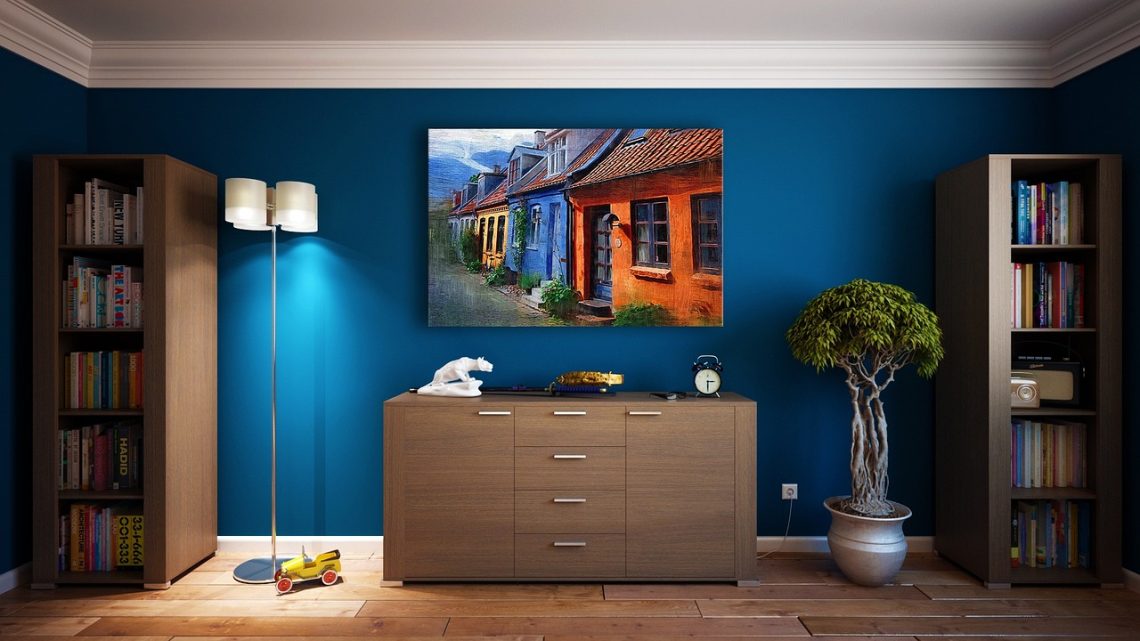
Illustrative stock photo: keresi72 / Pixabay.