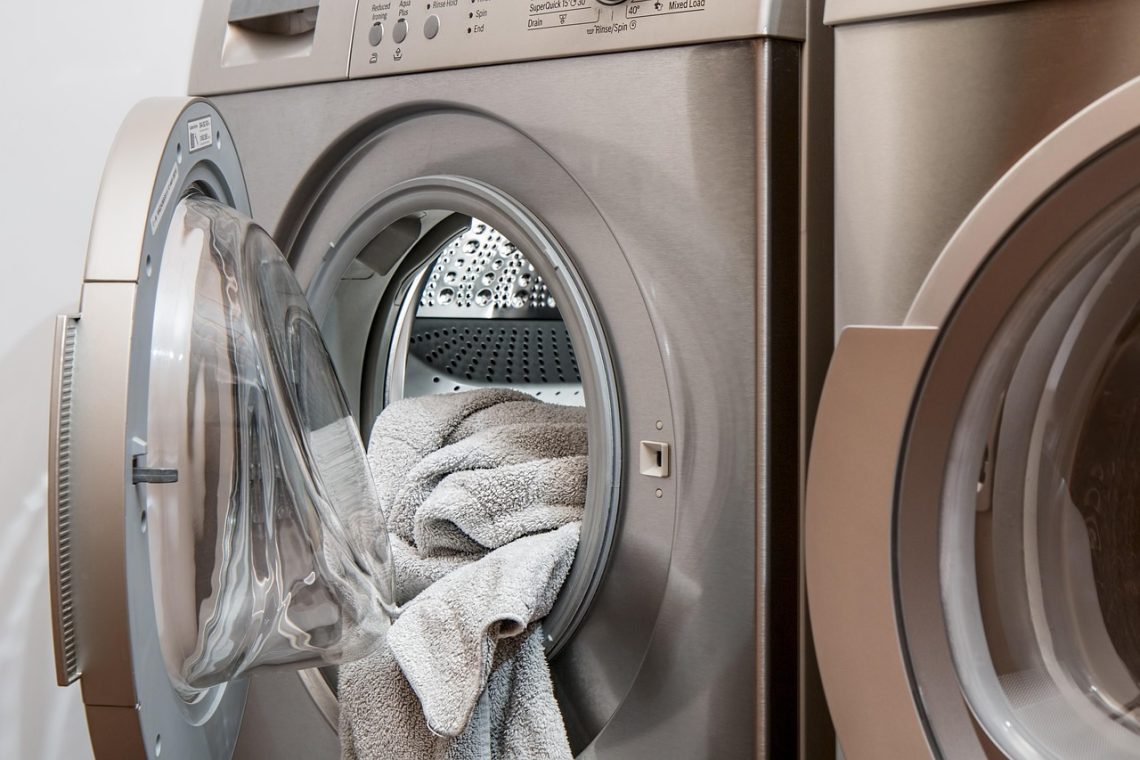
A washing machine is one of the hardest-working appliances in the home, yet it rarely gets the attention it deserves until something goes wrong. A smelly drum, a slow drain, or a machine that shakes across the floor are usually signs of small maintenance tasks that were skipped for months or years. The good news is that most of the care a washer needs takes only a few minutes at a time and costs very little.
This guide walks through the habits that keep a washing machine clean, efficient, and reliable, covering front-loaders and top-loaders, detergent choices, filters, hoses, and the warning signs worth acting on early.
Why washing machine maintenance matters
Washers live in a warm, wet environment, which is exactly what mold, mildew, and detergent residue need to thrive. Over time, lint, soap scum, and minerals from hard water build up in places you cannot see: inside hoses, around the door seal, in the detergent drawer, and in the drain pump. That buildup has practical consequences.
- Odor: trapped moisture and residue create the classic musty smell that transfers to clothes.
- Reduced cleaning performance: blocked filters and clogged dispensers mean less water flow and uneven detergent distribution.
- Higher energy and water use: a machine working harder runs longer cycles.
- Costly repairs: neglected hoses can burst, and blocked pumps can burn out.
- Shorter lifespan: most washers are built to last roughly a decade, and consistent care helps them reach that range.
Manufacturers generally publish a maintenance schedule in the user manual. It is worth reading once, because specific models differ in filter location and self-clean features.
Routine habits after every wash
Most of the battle is won with small habits that take seconds.
Leave the door or lid open
After a cycle, prop the door of a front-loader open, or leave a top-loader lid raised, for an hour or so. Air circulation dries the drum and seal, which is the single most effective way to prevent mildew. If young children or pets are around, use a door prop or ajar setting rather than leaving it wide open unattended.
Wipe the door seal
Front-loaders trap water, lint, and small items in the rubber gasket around the door. A quick wipe with a cloth every few washes removes the moisture and debris that feed mold. Check the fold of the gasket for hairpins, coins, and sock fragments.
Dry the detergent drawer
Pull the dispenser drawer out slightly after each wash so it can dry, and rinse it under the tap periodically. Caked powder detergent and fabric softener residue are common sources of odor and blockages.
Empty pockets and check the drum
Coins, keys, and tissues damage the drum and clog the pump. Tissue left in a pocket breaks down into lint that coats everything in the load. A ten-second pocket check before loading saves a lot of trouble.
Monthly cleaning tasks
Once a month, set aside twenty minutes for a slightly deeper clean.
Run a hot maintenance wash
Run an empty cycle on the hottest setting your machine allows, with either a dedicated washing machine cleaner or a cup of white vinegar in the drum. Hot water and an acidic or oxygen-based cleaner help dissolve soap scum and mineral film. Avoid mixing vinegar and chlorine bleach, which produces dangerous fumes.
Many modern machines have a dedicated “tub clean” or “machine clean” cycle. Use it as directed, and repeat more often if you usually wash in cold water or do many low-temperature cycles.
Clean the detergent drawer and its housing
Remove the drawer completely, soak it in warm soapy water, and scrub the corners with an old toothbrush. Wipe the housing inside the machine, including the area where water sprays into the drawer.
Wipe the drum and seal
Wipe the inside of the drum and the door gasket with a damp cloth. For stubborn mildew on the gasket, use a diluted bleach solution according to the manufacturer’s guidance, then wipe thoroughly with clean water and dry. Wear gloves and ventilate the room.
Check and clean the drain pump filter
Front-loaders usually have a small access panel at the bottom front hiding a drain pump filter. Place a shallow tray and towel underneath, because water will spill, then unscrew the filter slowly. Remove lint, coins, and hair, rinse the filter, and replace it firmly. Top-loaders often have a lint filter in the drum or near the top of the agitator; clean it as the manual describes.
Every few months: hoses, connections, and leveling
Inspect the water inlet hoses
Check the hoses behind the machine for bulges, cracks, stiffness, or damp patches. Look at the connections at both ends for corrosion or slow drips. Rubber hoses degrade over time, and a burst inlet hose can cause significant water damage. Many plumbers and manufacturers suggest replacing rubber hoses every five years or so, and braided stainless-steel hoses are a common upgrade.
Clean the inlet filters
Small mesh filters sit where the hoses connect to the back of the machine. If water pressure seems low or a fill cycle is slow, turn off the taps, disconnect the hoses carefully, and rinse the filters free of grit and sediment. Reconnect firmly and check for leaks.
Check the drain hose
Make sure the drain hose is not kinked, crushed behind the machine, or pushed too far into the standpipe. A hose inserted too deeply can siphon water back into the machine.
Level the machine
A washer that rocks or walks during spin cycles puts stress on bearings and the floor. Adjust the leveling feet until the machine sits firmly on all four corners, and lock the feet if they have locking nuts. If the machine still vibrates heavily, check that shipping bolts were removed after installation and that loads are balanced.
Detergent, softener, and load habits that protect the machine
How you wash matters as much as how you clean the washer.
Use the right amount of detergent
More detergent does not mean cleaner clothes. Excess detergent leaves residue in the drum, hoses, and dispenser, and it can trigger oversudsing that strains the machine. Follow the dosing guide on the bottle, adjusting for load size, soil level, and water hardness. High-efficiency (HE) machines require low-sudsing HE detergent.
Go easy on fabric softener
Liquid fabric softener is a common cause of waxy buildup in dispensers and on the drum. Use it sparingly or skip it, and consider wool dryer balls or a splash of white vinegar in the rinse cycle as alternatives.
Balance loads and match settings
Overloading strains the drum, bearings, and motor, while very small loads waste water and can leave the machine unbalanced during spin. Mix large and small items, and use the cycle and temperature appropriate to the fabric. Washing everything on cold saves energy, but occasional warm or hot washes help keep residue under control.
Deal with hard water
If your area has hard water, mineral scale builds up faster. Using a water softener, a descaling product designed for washing machines, or slightly more detergent formulated for hard water can help. Regular hot maintenance washes also slow scale formation.
A simple maintenance calendar
The schedule below is a practical starting point. Adjust it to your household size, water hardness, and how often you run the machine.
| Frequency | Task |
|---|---|
| After every wash | Leave door or lid ajar; wipe the door seal; dry the detergent drawer; check pockets |
| Monthly | Hot maintenance wash; clean detergent drawer and housing; clean drain pump filter; wipe drum and gasket |
| Every 3–6 months | Inspect inlet and drain hoses; clean inlet mesh filters; check leveling and vibration; descale if water is hard |
| Annually | Full inspection of hoses and connections; review manual for model-specific tasks; consider replacing aging rubber hoses |
Warning signs you should not ignore
Some symptoms point to problems that get worse if left alone.
- Persistent musty smell: usually mildew in the gasket, drawer, or drain filter, but sometimes a sign of standing water in the pump.
- Water pooling under the machine: check hose connections and the pump filter first; if the leak continues, call a technician.
- Machine not draining: a blocked pump filter or kinked drain hose is the usual culprit.
- Loud banging or walking during spin: an unbalanced load, missing shipping bolts, or worn shock absorbers.
- Error codes: note the code and check the manual before resetting; repeated codes often indicate a specific component issue.
- Clothes coming out gritty or stained: residue buildup in the drum or a dirty filter.
If a repair involves the electrical supply, water connections inside the machine, or the drum assembly, it is usually best to use a qualified technician rather than attempt a DIY fix.
Front-loader vs. top-loader: key differences
Both types benefit from the same core habits, but a few details differ.
- Front-loaders have a door gasket that traps moisture and debris, and most have an accessible drain pump filter. They are more prone to mildew if the door stays shut.
- Top-loaders often have a lint filter in the drum or agitator that needs regular cleaning, and some models have a self-clean cycle. Their lids should still be left open to dry.
- High-efficiency models of either type use less water, so residue concentrates more easily; regular maintenance washes matter more.
When to call a professional
Routine cleaning and inspection cover most needs, but some jobs are better left to a technician: replacing drum bearings, repairing control boards, fixing internal leaks, or addressing persistent error codes after basic troubleshooting. If the machine is under warranty, check the terms before attempting any repair yourself, since unauthorized work can void coverage.
The bottom line
Maintaining a washing machine is mostly about consistency rather than effort. Leaving the door open, wiping the seal, cleaning the filter, and running a hot maintenance wash once a month prevent the majority of problems. A few minutes spent checking hoses and leveling a couple of times a year protect against leaks and vibration damage. Treated this way, a washer stays fresher, cleans better, uses less energy, and lasts closer to its full expected lifespan.
Illustrative stock photo: stevepb / Pixabay.