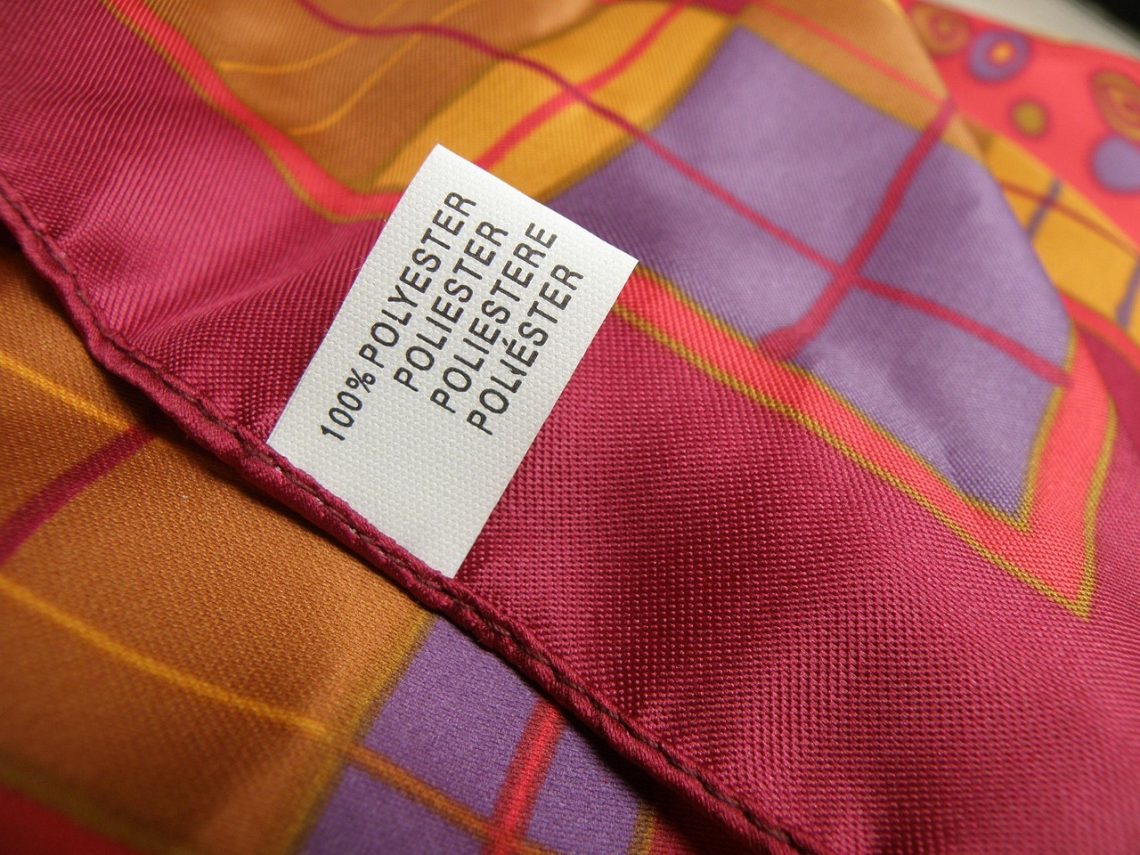
Every garment you own carries a small tag covered in cryptic little pictures. Those pictograms are the international care labeling system, and once you learn to read them, you gain control over how your clothes age, shrink, fade, or survive the wash. This guide explains the most common laundry symbols, what each shape means, and how to translate a care label into a sensible laundry routine.
Why Care Labels Exist and How to Read Them
Care labels are designed to give you the maximum safe treatment a fabric can tolerate. That is an important nuance: a symbol usually tells you what the garment can handle, not necessarily what it needs. A cotton shirt labeled for a hot wash will generally also survive a cool one, and washing cooler is often gentler on color and energy bills. The label sets the ceiling, and you choose where below it to operate.
The system is built from five basic shapes, each tied to a process:
- Washtub — washing, including water temperature and cycle type
- Triangle — bleaching
- Square — drying, whether tumble or line
- Iron — pressing and heat level
- Circle — professional dry cleaning
Dots, lines, crosses, and letters modify these shapes. A single dot means low heat or a gentle setting; more dots mean more heat. A cross or an X through a symbol means “do not.” Lines underneath a symbol signal a gentler cycle or reduced mechanical action. Once you internalize those three rules, most labels become readable at a glance.
Washing Symbols: The Washtub
The washtub is the symbol you will meet most often. A plain tub with a wavy water line means a normal machine wash is fine. Variations add temperature and agitation guidance.
Temperature Dots
Dots inside the tub indicate the maximum water temperature. The exact temperatures vary slightly by region and standard, but the practical hierarchy is consistent:
| Symbol detail | Meaning | Typical temperature |
|---|---|---|
| 1 dot | Cold wash | Around 30 °C / 85 °F |
| 2 dots | Warm wash | Around 40 °C / 105 °F |
| 3 dots | Hot wash | Around 60 °C / 140 °F |
| 4 dots | Very hot wash | Around 70–95 °C / 160–200 °F |
| No dots | No temperature limit stated | Follow fabric common sense |
In practice, most everyday clothing sits in the one- to three-dot range. Delicates, wool, and anything with elastane usually prefer the cooler end.
Lines and Hand-Washing
- One line under the tub — permanent press or a gentle, reduced-agitation cycle.
- Two lines under the tub — very gentle cycle, suitable for delicate fabrics.
- A tub with a hand dipping into water — hand wash only, by definition gently and usually in cool water.
- A tub crossed out — do not wash. This appears on garments that must be dry cleaned or spot cleaned only.
If a label says hand wash, a machine’s “hand wash” or “delicate” program with a mesh bag is often an acceptable substitute, but use a low spin speed and avoid wringing.
Bleach Symbols: The Triangle
Bleach symbols are simple but frequently misread, and the consequences of getting them wrong are visible: yellowing, patchy discoloration, or holes in the fabric.
- Empty triangle — any bleach is permitted, including chlorine bleach.
- Triangle with two diagonal lines inside — non-chlorine (oxygen or color-safe) bleach only.
- Triangle crossed out — do not bleach at all.
An empty triangle is increasingly rare because manufacturers prefer to keep options open. When in doubt, use oxygen bleach, which is far gentler on dyes and fibers than chlorine bleach, and never mix bleach with other cleaning chemicals.
Drying Symbols: The Square
The square covers all drying methods, and the internal markings tell you which one applies.
Tumble Drying
A square containing a circle means tumble drying is allowed. Dots inside the circle set the heat level:
- 1 dot — low heat, best for synthetics and delicates
- 2 dots — medium heat, the everyday default
- 3 dots — high heat, for sturdy cottons and towels
- Circle crossed out — do not tumble dry; air dry instead
Lines beneath the square indicate a gentler tumble setting, and a crossed-out square with a circle means the dryer is off-limits entirely.
Air and Line Drying
- Square with a curved line at the top — line dry, usually hanging from a line.
- Square with a horizontal line inside — dry flat, important for knits that would stretch on a hanger.
- Square with three vertical lines — drip dry, hanging wet without spinning or wringing.
- Square with a diagonal line in the corner — dry in the shade, protecting colors from direct sun.
Flat drying is one of the most overlooked instructions. Heavy wet knits, wool sweaters, and loosely woven garments can distort permanently if hung, so lay them on a towel or drying rack and reshape them while damp.
Ironing Symbols: The Iron
Iron symbols use dots to indicate temperature, mirroring the logic of the wash tub:
- 1 dot — low heat, typically around 110 °C / 230 °F, for synthetics such as nylon and acrylic
- 2 dots — medium heat, around 150 °C / 300 °F, for wool and polyester blends
- 3 dots — high heat, around 200 °C / 390 °F, for cotton and linen
- Iron crossed out — do not iron; often found on textured fabrics, some fleece, and certain embellished items
Additional marks matter too. Lines under the iron mean press gently, and a crossed-out steam symbol means no steam, which is common for fabrics that water-spot or for heat-sensitive synthetics. When ironing an unfamiliar fabric, test on an inside seam first and use a pressing cloth to protect the surface.
Dry Cleaning Symbols: The Circle
A circle tells you a garment can be professionally dry cleaned. Letters inside the circle specify the solvent or process, and while you do not need to memorize every code, knowing the common ones helps you have a useful conversation with your cleaner.
- Circle with a P — standard professional dry cleaning with perchloroethylene or similar solvents
- Circle with an F — dry cleaning with petroleum-based solvents
- Circle with an A — any solvent may be used
- Circle with a W — professional wet cleaning, a water-based process
- Circle crossed out — do not dry clean
Lines under the circle indicate a mild or gentle cleaning process with reduced agitation, moisture, and heat. A crossed-out circle paired with a crossed-out washtub is a warning sign: the garment may be spot clean only, and you should treat it with care.
Reading a Label in Practice
Care labels are read as a sequence, and the most restrictive instruction usually governs. A typical cotton T-shirt might show a washtub with two dots, an empty triangle, a tumble-dry square with two dots, and an iron with two dots. That translates to a warm machine wash, bleach if needed, medium tumble dry, and a medium iron.
A wool sweater, by contrast, might show a hand-wash tub, a crossed-out triangle, a flat-dry square, a one-dot iron, and a circle with a P. The practical routine is a cool hand wash or delicate cycle, no bleach, flat drying, gentle pressing, and dry cleaning as the fallback for heavy soiling.
When symbols conflict or a label is missing, apply the general rule of thumb: cooler water, gentler agitation, lower dryer heat, and air drying are almost always safer. The main exceptions are items that need sanitizing, such as towels and bedding, which generally tolerate and benefit from warmer washes.
Common Mistakes and Practical Tips
- Ignoring the label because the fabric “looks tough.” Construction details — interfacing, trims, elastic, and prints — often set the real limits, not the main fabric.
- Overloading the dryer. Even a high-heat symbol assumes airflow; a packed drum causes uneven drying and excess wear.
- Treating “dry clean only” as absolute. Many such garments can be hand washed, but the risk of shrinkage or color loss is yours. If a piece is valuable, follow the label.
- Assuming all symbols are universal. Standards differ slightly between regions, and older garments may carry outdated or missing labels. Use the shape logic as your guide.
- Forgetting to check pockets and fastenings. Zippers and hooks can snag other garments; empty pockets protect both the machine and your clothes.
- Washing everything inside out. It is not a symbol, but it preserves prints and reduces pilling on knits.
Quick Reference Summary
| Shape | Process | Key modifiers |
|---|---|---|
| Washtub | Washing | Dots = temperature; lines = gentler cycle; hand = hand wash; cross = do not wash |
| Triangle | Bleaching | Empty = any bleach; two lines = non-chlorine only; cross = no bleach |
| Square | Drying | Circle = tumble dry; dots = heat; lines = flat, line, drip, or shade dry |
| Iron | Pressing | Dots = heat level; cross = do not iron; steam symbol = steam guidance |
| Circle | Dry cleaning | Letters = solvent type; lines = gentle process; cross = do not dry clean |
Laundry symbols are a compact language, and fluency takes only a few minutes of study. The next time you sort a load, glance at the tags before you set the dial. Matching your machine settings to the label is the simplest way to keep colors bright, shapes intact, and favorite garments in rotation for years longer.
Illustrative stock photo: MAKY_OREL / Pixabay.