Reducing household energy use rarely requires a renovation or a big budget. Most homes waste energy through small, repeated habits: lights left on in empty rooms, a water heater set hotter than necessary, appliances running at half load, and gaps around doors that let heated air escape. The cumulative effect of these habits shows up on every utility bill and in the home’s carbon footprint.
What follows is a practical guide to lowering energy consumption in ways that are simple to adopt, affordable to implement, and comfortable to live with. The strategies are grouped by where energy actually goes in a typical home: heating and cooling, water heating, lighting and electronics, appliances, and the building envelope itself.
Start With a Baseline: Know Where Your Energy Goes
Before changing anything, it helps to understand the shape of your household’s consumption. In most climates, space heating and cooling are the largest single category of home energy use, followed by water heating, then appliances, lighting, and electronics. Exact proportions vary by region, home age, and household size, but the ranking is consistent enough to guide priorities.
Two low-effort steps establish a baseline:
- Review a year of utility bills. Many providers show monthly usage alongside cost, which reveals seasonal patterns. A winter spike points to heating; a summer spike points to cooling or pool equipment.
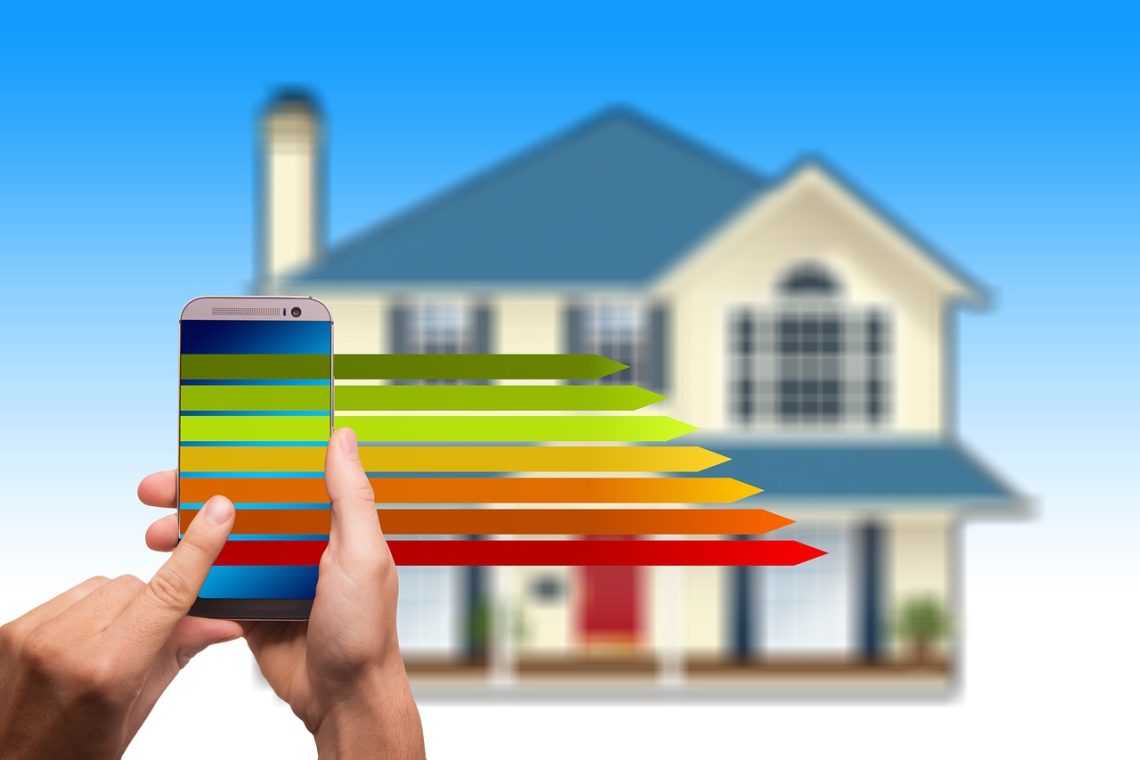
- Check for a smart meter or in-home display. Real-time usage feedback makes it obvious which actions matter. Watching the display while a dryer runs or the oven preheats is often more instructive than any general advice.
If your utility offers a free or low-cost home energy audit, take it. An auditor can identify air leaks, insulation gaps, and inefficient equipment with tools most households don’t own. The findings turn guesswork into a targeted plan.
Heating and Cooling: The Biggest Opportunity
Because heating and cooling dominate household energy use, small adjustments here produce the largest savings. The goal is not discomfort but avoiding energy spent on empty rooms and unnecessary temperature extremes.
Adjust the thermostat deliberately
Setting the thermostat a few degrees lower in winter and a few degrees higher in summer reduces run time noticeably. A programmable or smart thermostat automates this: it can lower the temperature while the household is asleep or away and restore comfort before people return. The key is consistency. Repeated manual override defeats the purpose, so choose setbacks that household members genuinely tolerate.
Use ceiling fans and natural ventilation
Ceiling fans cost a fraction of air conditioning to run and make a room feel several degrees cooler by moving air across skin. In winter, running a ceiling fan in reverse on low speed pushes warm air that has stratified near the ceiling back down into the living space. Opening windows during mild weather, especially at night, can flush heat from a house without any mechanical cooling at all.
Maintain the HVAC system
Clogged filters force heating and cooling equipment to work harder. Replacing or cleaning filters on the schedule the manufacturer recommends is one of the cheapest maintenance tasks with a measurable effect. Annual professional servicing keeps refrigerant levels, burners, and ductwork in good order. Sealing and insulating ducts that run through unconditioned spaces, such as attics and crawlspaces, prevents conditioned air from being lost before it reaches a room.
Close off unused spaces thoughtfully
Shutting vents in rarely used rooms is a common tip, but it can backfire by increasing pressure in ductwork and reducing system efficiency. A safer approach is to keep interior doors open so air circulates, and to address the real problem, which is usually air leakage and poor insulation, rather than trying to starve unused rooms of conditioned air.
Water Heating: Quiet, Constant Consumption
Water heating runs year-round, which makes it a reliable target for savings. Several adjustments cost nothing or very little:
- Lower the tank temperature. Many water heaters are set higher than needed. Reducing the setting to a moderate level still provides comfortable showers and reduces standby heat loss. Check the manufacturer’s guidance and any dishwasher requirements before adjusting.
- Insulate the tank and pipes. An insulating blanket on an older tank and foam sleeves on exposed hot-water pipes keep heat where it belongs. This is an inexpensive do-it-yourself project.
- Fix leaks and drips. A dripping hot-water tap wastes heated water continuously. Washers and cartridges are cheap and usually easy to replace.
- Take shorter showers and run full loads. Low-flow showerheads maintain pressure while using less hot water, and running the dishwasher only when full avoids heating water for partial loads.
- Consider a drain-water heat recovery system. These devices capture heat from warm wastewater and use it to preheat incoming cold water. They are more of an upgrade than a quick fix but can pay back over time in households with high hot-water use.
Lighting: Small Loads, Easy Wins
Lighting accounts for a modest share of total household energy, but it is the easiest category to improve. Switching from incandescent bulbs to LEDs is now inexpensive and widely available. LEDs use a fraction of the electricity for the same brightness and last for years, which also reduces replacement effort.
Beyond the bulbs themselves, habits matter:
- Turn off lights in unoccupied rooms, and use task lighting, such as a desk or reading lamp, instead of illuminating an entire room.
- Use occupancy sensors or timers in hallways, closets, and outdoor areas where lights are often forgotten.
- Take advantage of daylight by keeping windows clean and arranging workspaces near them.
- Choose warm-toned LEDs for living spaces and cooler tones for task areas; the efficiency is the same, but the lighting feels intentional rather than harsh.
Appliances and Electronics: Tackle Standby and Inefficiency
Appliances and electronics consume energy in two ways: while running and while waiting. Standby power, sometimes called phantom load, is the electricity devices draw when switched off but still plugged in. Individually it is small; across a home full of chargers, set-top boxes, game consoles, and smart speakers, it adds up.
Reduce standby draw
Plug clusters of electronics into power strips and switch the strip off when the cluster is not in use. Focus on devices that are genuinely idle for long stretches, such as a television and its peripherals, a desktop computer setup, or a charging station. Leave devices that need continuous power, such as routers and medical equipment, on a separate circuit.
Run appliances with intention
Major appliances reward full loads and correct settings:
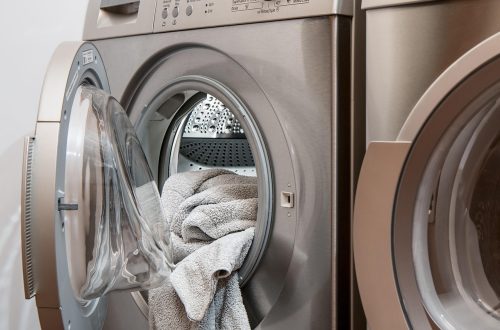
- Washing machines: Wash in cold water whenever possible. Most of a washing machine’s energy use goes to heating water, and modern detergents perform well in cold cycles. Run full loads and use high spin speeds to extract more water, which shortens drying time.
- Dryers: Clean the lint filter before every load to maintain airflow, and dry consecutive loads to reuse residual heat. Air-drying on a rack or line, even part of the time, eliminates a large appliance load entirely.
- Dishwashers: Run only full loads and use the energy-saving or eco cycle. Skipping the heated dry setting and letting dishes air-dry saves another increment.
- Refrigerators and freezers: Keep them a few inches from the wall so coils can shed heat, vacuum the coils periodically, and check door seals by closing a sheet of paper in the door; if it slides out easily, the seal needs attention. Setting the refrigerator and freezer to the manufacturer’s recommended temperatures avoids overcooling.
- Ovens and stoves: Match pan size to burner size, use lids to trap heat, and avoid opening the oven door repeatedly. A toaster oven or microwave uses far less energy than a full-size oven for small portions.
Choose efficient equipment when replacing
When an appliance fails, its replacement will shape energy use for a decade or more. Look for models with strong efficiency ratings for their size and type, and match capacity to the household. An oversized refrigerator or air conditioner costs more to buy and more to run.
The Building Envelope: Stop Paying to Heat the Outdoors
Air leaks and poor insulation undermine every other efficiency measure. A well-sealed, well-insulated home holds its conditioned air, so heating and cooling equipment runs less. These improvements are often described as upgrades, but several are simple weekend projects.
Seal obvious leaks
Weatherstripping around doors and caulk around windows, baseboards, and pipe penetrations are inexpensive and effective. On a windy day, a careful walk-through with a hand near gaps reveals drafts. Pay attention to attic hatches, basement rim joists, and the gaps around plumbing and wiring where they pass through walls and ceilings.
Use window coverings strategically
Curtains and blinds are free efficiency tools. In summer, close coverings on sun-facing windows during the hottest hours; in winter, open them to admit solar heat during the day and close them at night to reduce heat loss. Heavy curtains add a layer of insulation over glass.
Insulate where it counts
Attic insulation is usually the most cost-effective place to add material, because heat rises and attics are accessible. Insulating hot-water pipes and sealing gaps around recessed lights and chimneys are smaller tasks with real returns. For major insulation work, consult a professional to ensure ventilation and moisture control are handled correctly.
Everyday Habits That Compound
Technology and upgrades help, but daily behavior determines how much of that benefit is realized. A few habits, adopted consistently, reduce consumption without requiring thought once they become routine:
- Dress for the season indoors rather than adjusting the thermostat; a sweater in winter and lighter clothing in summer allow wider temperature setbacks.
- Use the microwave or kettle instead of the stove for small heating tasks.
- Turn off computers and monitors at the end of the day rather than leaving them in sleep mode indefinitely.
- Batch errands and cooking to reduce repeated appliance use.
- Keep the refrigerator and freezer full but not overpacked; a full freezer holds cold better, while airflow matters in the refrigerator.
- Close doors to the outside promptly and use draft stoppers on exterior doors.
What to Expect: Savings, Effort, and Payback
The table below summarizes the main measures by effort and typical impact. Exact savings depend on climate, home age, energy prices, and household behavior, so treat the impact column as a ranking rather than a promise.
| Measure | Effort | Typical Impact |
|---|---|---|
| Thermostat setbacks and scheduling | Low | High |
| Air sealing and weatherstripping | Low to moderate | High |
| HVAC filter changes and servicing | Low | Moderate to high |
| Lower water heater temperature and insulation | Low | Moderate |
| LED lighting | Low | Moderate |
| Cold-water washing and full loads | Low | Moderate |
| Power strips for standby loads | Low | Low to moderate |
| Attic insulation upgrade | Moderate to high | High |
| Efficient appliance replacement | High (cost) | Moderate to high over time |
A useful way to sequence the work is to start with the free measures, then the cheap ones, then the larger investments. Thermostat adjustments, cold-water washing, full loads, and switching off idle electronics cost nothing. Weatherstripping, LEDs, and pipe insulation cost little. Insulation and equipment replacement come later, ideally informed by an energy audit and by the age of existing systems.
Making It Stick
Energy-saving habits fail when they demand constant vigilance. The more of them that can be automated or built into the physical environment, the better they last. A smart thermostat, a power strip within reach of the television, a drying rack set up permanently, and a reminder to clean the dryer lint filter all reduce reliance on willpower.
It also helps to involve everyone in the household. Explaining why the thermostat is set where it is, or showing a smart meter display during a load of laundry, turns abstract advice into visible cause and effect. Households that track their usage monthly tend to notice changes and adjust, which is the real engine of sustained reduction.
None of these steps requires a major disruption. Together, they lower bills, reduce emissions, and make a home more comfortable in both hot and cold weather, which is a rare combination of benefits from changes that are, at heart, quite simple.
Illustrative stock photo: geralt / Pixabay.