Every garden center trip eventually raises the same question: should I buy the flat of bright petunias or the potted coneflower? The answer depends on understanding one of the most fundamental distinctions in gardening — the difference between annual and perennial plants. It is not simply a matter of “lasts one year” versus “comes back forever.” The two groups differ in life cycle, cost over time, maintenance demands, bloom strategy, and the role they play in a garden design. Getting the distinction right helps you spend money wisely, plan for seasonal color, and avoid the disappointment of pulling up a plant that was simply doing what nature intended.
The Core Difference: Life Cycle
The terms annual and perennial describe how long a plant lives and, more importantly, how it completes its reproductive cycle.
Annual plants complete their entire life cycle — germination, growth, flowering, seed production, and death — within a single growing season. Once the plant sets seed, its job is done and it dies, regardless of weather or care. Many popular bedding plants are annuals in most climates: marigolds, petunias, zinnias, cosmos, impatiens, and sunflowers.
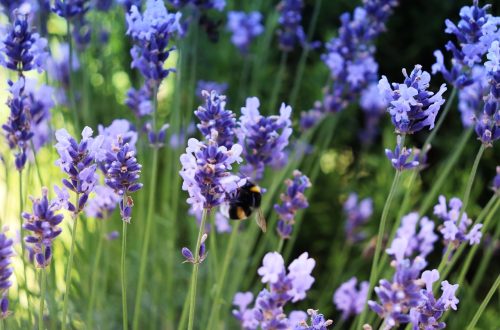
Perennial plants live for three or more years. They typically grow and flower during the warm months, then die back to the ground (herbaceous perennials) or keep their woody structure (shrubs and trees) through winter, returning from roots, crowns, bulbs, or woody stems the following spring. Examples include peonies, daylilies, hostas, coneflowers, lavender, and most ornamental grasses.
There is a third category worth knowing: biennials. These plants take two years to complete their cycle. They grow foliage the first year, overwinter, then flower, set seed, and die in the second year. Foxgloves, hollyhocks, and sweet William are classic biennials. Because they self-sow readily, biennials often appear to be perennials in the garden, with new seedlings replacing the dying plants.
Annual vs. Perennial at a Glance
| Feature | Annuals | Perennials |
|---|---|---|
| Life span | One growing season | Three or more years |
| Flowering | Often continuous for months | Usually a defined bloom period, often weeks |
| Cost pattern | Low upfront, repeated yearly | Higher upfront, spreads over years |
| Maintenance | Replanting each season | Division, pruning, and patience |
| Best for | Instant color, containers, cutting gardens | Structure, long-term beds, low-effort landscapes |
| Winter behavior | Dies; seeds may self-sow | Dies back or goes dormant; returns in spring |
Why “Annual” and “Perennial” Depend on Where You Garden
One of the most misunderstood points is that these labels are not fixed for every plant everywhere. They describe behavior in a particular climate. A plant that is a tender perennial in its native tropical or Mediterranean home will freeze to death in a cold-winter garden and is therefore grown as an annual there.
Lantana, for example, is a shrubby perennial in warm climates but is treated as an annual in regions with hard frosts. Geraniums (pelargoniums) and snapdragons behave the same way. Conversely, some plants grown as annuals in cold climates can become aggressive self-sowers or even invasive in milder regions. This is why local growing advice matters more than the label on the plant tag. Gardeners in USDA hardiness zones 9–11 have far more plants that behave as perennials than gardeners in zones 3–5.
Annuals: Fast Color and Long Bloom
Annuals are bred for performance in a single season, and that breeding shows. Most produce flowers continuously or in repeated waves from planting until frost, because their biological goal is to set as much seed as possible before dying. That makes them unmatched for instant impact.
Strengths of annuals
- Immediate color: A flat of annuals fills a bed or container with bloom within weeks of planting.
- Long flowering season: Many bloom for months rather than weeks.
- Flexibility: You can change your color scheme every year without digging anything up.
- Containers and hanging baskets: Annuals are the workhorses of pots, window boxes, and baskets.
- Cutting gardens: Fast-growing annuals like zinnias and cosmos supply abundant stems for bouquets.
- Filling gaps: They cover bare spots while slower perennials establish.
Trade-offs of annuals
- Repeated cost: You buy new plants or seeds every year.
- Seasonal labor: Planting in spring and clearing in fall become annual chores.
- No long-term structure: The garden starts over from scratch each season.
- Water and feeding needs: Fast growth and heavy blooming often demand consistent moisture and fertilizer.
Perennials: Investment and Structure
Perennials are the bones of a garden. They provide form, texture, and a sense of permanence, and many improve with age as clumps expand. The trade-off is that most flower for a limited window — a few weeks in spring, summer, or fall — and they require patience while they establish, often taking two to three years to reach full size.
Strengths of perennials
- Long-term value: One purchase can last years or decades, and many can be divided to create free new plants.
- Seasonal succession: Careful selection gives you something in bloom from early spring through late fall.
- Structure and winter interest: Foliage, seed heads, and stems carry the garden through the off-season.
- Lower annual cost: After establishment, the main inputs are time and occasional division.
- Pollinator and wildlife value: Many native perennials support bees, butterflies, and birds.
Trade-offs of perennials
- Higher upfront cost: A single perennial often costs more than a six-pack of annuals.
- Shorter bloom windows: Most flower for weeks, not months.
- Patience required: New plants may sulk or bloom sparsely in their first year.
- Maintenance: Division, deadheading, cutting back, and pest management are ongoing tasks.
- Less flexibility: Moving or removing a mature perennial is more work than pulling up annuals.
How to Combine Annuals and Perennials
The most effective gardens rarely choose one category over the other. They use perennials for structure and annuals for color, a strategy sometimes called the “bones and blooms” approach.
A practical planting formula
- Start with perennials for structure. Choose shrubs, ornamental grasses, and long-lived perennials that provide form and foliage even when not in bloom.
- Layer in seasonal perennials. Select varieties that bloom in succession — spring bulbs and hellebores, early summer peonies, midsummer coneflowers, late-season asters.
- Fill gaps with annuals. Use annuals to cover the bare soil around young perennials and to extend color through late summer and fall when perennial bloom fades.
- Repeat the pattern. Grouping plants in threes or fives, rather than one of everything, creates a calmer, more cohesive design.
Matching plants to your situation
- Renters or frequent movers: Containers of annuals travel with you; perennials in the ground do not.
- Busy gardeners: A bed of well-chosen perennials plus mulch needs less weekly attention than a bed of thirsty annuals.
- New gardens: Annuals give instant satisfaction while perennials settle in.
- Budget-conscious gardeners: Perennials cost more initially but spread the expense over years; annuals are cheaper per season but recurring.
- Wildlife-friendly gardens: Native perennials offer the most ecological value, with annuals as supplemental nectar sources.
Common Misconceptions
“Perennials come back forever.” Not quite. Some are short-lived perennials that fade after a few years, and many benefit from division every few seasons to stay vigorous. Weather, soil, and pests also affect longevity.
“Annuals are cheap.” They are inexpensive per plant, but the cost repeats every year. Over a decade, a bed of annuals can cost far more than the same bed planted with perennials.
“Annuals are low-maintenance.” They are easy to plant but often need regular watering, deadheading, and feeding to keep blooming through the heat.
“Perennials mean no work.” Perennials reduce replanting but require cutting back, dividing, and sometimes staking. The work is different, not absent.
“Biennials are just perennials.” Biennials complete their cycle in two years, then die. They persist in gardens mainly through self-sowing.
Quick Decision Guide
If you are standing in the garden center trying to decide, ask yourself a few questions:
- Do I want color this season with minimal waiting? Choose annuals.
- Am I planting a bed I want to improve year after year? Choose perennials.
- Is this a container or hanging basket? Annuals are usually the best fit.
- Do I want to support pollinators with minimal replanting? Choose native perennials.
- Am I filling a gap around young plants? Annuals are ideal.
- Do I want cut flowers all summer? Many annuals, plus some long-blooming perennials, fit the bill.
The Bottom Line
Annuals and perennials are not competitors; they are complementary tools. Annuals deliver fast, sustained color and flexibility at the cost of yearly replanting. Perennials deliver structure, seasonal rhythm, and long-term value at the cost of patience and a shorter bloom window. Understanding the difference — and remembering that the labels shift with climate — lets you plan a garden that looks good in its first season and gets better in the years that follow.
Illustrative stock photo: MabelAmber / Pixabay.