Cooked rice is one of the most common leftovers in home kitchens, and it is also one of the most versatile. A container of cold rice in the fridge can become a crisp-edged snack, a fast fried rice dinner, a creamy rice pudding, or a thickener for soups. The trick is knowing a few reliable techniques and a handful of food-safety rules so the rice stays safe and tastes good.
This guide covers practical ways to use leftover rice, from the classic stir-fry to less obvious ideas like rice fritters and rice-stuffed vegetables. It also explains why cold rice behaves differently from fresh rice and how to store it properly.
Why Leftover Rice Is Different (and Often Better)
When rice cools, the starch molecules reorganize and firm up in a process called retrogradation. That is why cold rice feels hard and clumpy. For cooking, this is actually an advantage: firmer grains absorb sauce without turning mushy, and they separate easily in a hot pan. Freshly cooked rice contains more surface moisture, so it tends to steam and stick when fried. Day-old rice gives you distinct grains and better texture.
If you only have freshly cooked rice and want to use it in a fried rice recipe, spread it on a tray and let it cool uncovered for 20 to 30 minutes, or chill it briefly. Do not skip the cooling step; it makes a noticeable difference.
Food Safety First: The Rules for Leftover Rice
Cooked rice is more perishable than many people assume. Bacillus cereus, a bacterium that can survive cooking, may multiply when rice sits at room temperature. The practical rules are simple:
- Cool quickly. Spread rice in a shallow container and refrigerate within about an hour of cooking, or sooner in warm weather.
- Refrigerate promptly. Store in a covered container at or below 4°C (40°F).
- Use within a few days. A common guideline is three to four days in the refrigerator.
- Reheat thoroughly. Reheat until steaming hot throughout, and reheat only the portion you plan to eat.
- Do not leave it out. Avoid keeping rice at room temperature for long periods, and do not refreeze rice that has already been reheated.
If rice smells sour, looks slimy, or has visible mold, discard it. When in doubt, throw it out.
Classic Fried Rice: The Reliable Starting Point
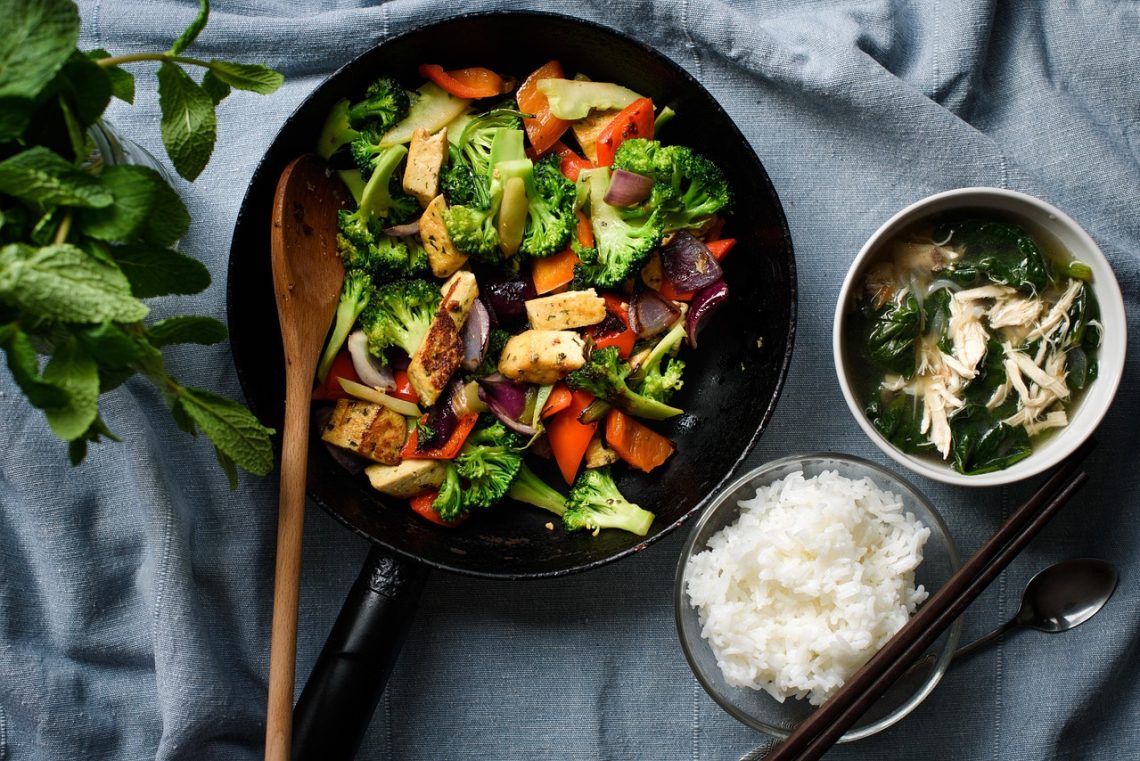
Fried rice is the best-known use for leftover rice, and it is forgiving. The basic method works with almost any protein or vegetable you have on hand.
Basic method
- Heat a wide pan or wok over medium-high heat with a little oil.
- Cook aromatics such as chopped onion, garlic, or ginger for about a minute.
- Add diced vegetables and any raw protein; cook until nearly done.
- Add the cold rice, breaking up clumps with your fingers or a spatula.
- Press the rice into the pan and let it sit for a minute to develop a little crispness, then toss.
- Season with soy sauce, salt, or a splash of stock, and finish with scrambled egg, scallions, or sesame oil.
Keep the pan hot but not smoking, and avoid overcrowding. If your pan is small, cook in batches so the rice fries rather than steams.
Flavor directions to try
| Style | Key additions | Finishing touch |
|---|---|---|
| Chinese-inspired | Egg, peas, carrot, soy sauce | Sesame oil, scallions |
| Kimchi | Chopped kimchi, pork or tofu | Toasted sesame seeds, fried egg |
| Thai-style | Fish sauce, lime, chili, basil | Fresh cilantro, lime wedge |
| Indian-style | Cumin seeds, turmeric, peas, cashews | Fresh coriander, lemon |
| Mediterranean | Olives, tomato, spinach, feta | Lemon zest, black pepper |
Crispy Rice: A Snack Worth Making on Purpose
Leftover rice can be turned into a crunchy snack or a topping for salads and bowls. There are two easy routes.
Pan-crisped rice cakes
Mix cold rice with a little beaten egg or a spoonful of flour so it holds together, season with salt and herbs, and shape into small patties. Fry in a thin layer of oil over medium heat until golden on both sides. These are excellent with a dipping sauce or topped with a fried egg.
Oven or air-fryer crispy rice
Toss cold rice with a little oil and salt, spread it thinly on a lined baking sheet, and bake at a moderate temperature until dry and crisp, stirring once or twice. The result is a light, crunchy topping for soups, grain bowls, or salads. An air fryer works too, but shake the basket frequently to avoid uneven browning.
Rice Bowls and Quick Weeknight Meals
A bowl of leftover rice is a blank base for a fast meal. Warm the rice with a splash of water, stock, or coconut milk, then build layers:
- Protein: leftover chicken, canned fish, tofu, beans, or a fried egg.
- Vegetables: roasted or raw vegetables, pickles, kimchi, or a handful of greens wilted in the pan.
- Sauce: yogurt with herbs, tahini, soy and vinegar, or a simple chili oil.
- Crunch: toasted nuts, seeds, or crispy shallots.
This approach works with whatever is in the fridge and is one of the fastest ways to turn a small amount of rice into a satisfying meal.
Rice Soups and Congee
Leftover rice is ideal for congee, the comforting rice porridge found across Asia. Combine rice with several times its volume of water or stock and simmer until the grains break down, stirring occasionally. Add ginger, scallions, and a protein of your choice. Because the rice is already cooked, congee comes together in far less time than starting from raw grains.
You can also stir leftover rice into vegetable soup near the end of cooking to thicken it slightly and make it more filling. Add a handful of rice to a pot of broth with tomatoes and beans for a rustic, hearty soup.
Rice as a Thickener and Binder
Cooked rice can do quiet work in the background:
- Thicken soups and stews. Blend a scoop of rice with a little liquid and stir it in.
- Bind meatballs or patties. Finely chopped or mashed rice can replace some breadcrumbs.
- Stretch a filling. Add rice to stuffed peppers, cabbage rolls, or mushroom caps.
- Make a quick rice porridge. Simmer rice with milk and cinnamon for a simple breakfast.
Sweet Uses: Rice Pudding and Beyond
Rice pudding is one of the most forgiving desserts you can make. Combine leftover rice with milk, a little sugar, and a pinch of salt, then simmer gently until creamy. Flavor with vanilla, cinnamon, cardamom, citrus zest, or raisins. It thickens as it cools, so keep it a little looser than you want the final texture to be.
Other sweet options include rice fritters with cinnamon sugar, rice pancakes, or a rice-and-fruit breakfast bowl with yogurt and honey.
Rice in Salads and Wraps
Cold rice can be tossed into salads if it is well chilled and dressed just before serving. Try it with chopped herbs, cucumber, tomato, olives, and a lemon vinaigrette. For wraps, warm the rice slightly so it holds together, then roll it with beans, greens, and a sauce. Rice also works as a filling for lettuce cups or as a base for a portable lunch bowl.
Freezing and Reheating Leftover Rice
If you have more rice than you can use within a few days, freezing is a good option. Portion the rice into small bags or containers, press out excess air, and freeze. Thaw in the refrigerator and reheat thoroughly until steaming. Frozen rice is best used in cooked dishes such as fried rice, soups, or casseroles rather than eaten plain, because the texture softens.
Reheating tips:
- Sprinkle a little water over the rice before microwaving to restore moisture.
- Cover the container to trap steam and heat evenly.
- Stir halfway through and check that the center is hot.
- On the stovetop, warm rice in a covered pan with a splash of water over low heat.
A Simple Planning Habit
The easiest way to use leftover rice is to plan for it. Cook a little extra on purpose, cool and refrigerate it promptly, and decide within a day or two how you will use it. Keep a few complementary ingredients on hand, such as eggs, frozen vegetables, soy sauce, and scallions, so a quick fried rice is always possible. With a small set of techniques and a little attention to food safety, leftover rice becomes an asset rather than a forgotten container at the back of the fridge.
Illustrative stock photo: sontung57 / Pixabay.