A well-stocked pantry is the quiet engine of everyday cooking. It is what lets you turn a bag of groceries into dinner on a busy Tuesday, rescue a bland sauce, or bake something on a rainy afternoon without a trip to the store. The goal is not to fill every shelf with specialty items, but to keep a reliable core of ingredients that work across many cuisines and techniques.
This guide covers the pantry staples that earn their place in most kitchens, how to store them so they last, and how to build the collection gradually. Quantities and brands matter less than having the right categories represented: fats, grains and starches, canned and jarred goods, seasonings, baking basics, and a few flavor boosters.
What Makes an Ingredient a Pantry Staple?
A pantry staple generally meets a few criteria. It is shelf-stable or long-lasting, it appears in many recipes, and it can anchor a meal rather than merely garnish one. Staples also tend to be affordable and easy to restock. A jar of capers is lovely, but a bag of rice and a can of tomatoes will feed you more often.
It helps to think in terms of function rather than specific dishes. You want a fat for sautéing and dressing, a grain or starch for bulk, something acidic to brighten flavors, something salty or savory for depth, and aromatics for the base of soups, stews, and sauces. When those roles are filled, improvisation becomes much easier.
Fats and Oils
Fats carry flavor and conduct heat, and a small selection covers nearly every cooking method.
- Olive oil: An everyday bottle for sautéing and dressings, plus a better bottle if you enjoy finishing dishes with it.
- Neutral oil: Canola, vegetable, or sunflower oil for high-heat cooking and baking.
- Butter or a plant-based alternative: For baking, pan sauces, and toast. Butter freezes well, which helps if you use it slowly.
- Toasted sesame oil: A small bottle used as a flavoring rather than a cooking fat.
Store oils in a cool, dark place and check dates. Rancid oil tastes unpleasant and can spoil a whole dish. Buying smaller bottles more often is often smarter than stocking a giant container that sits for years.
Grains, Starches, and Legumes
These are the backbone of filling meals. They keep for months in airtight containers and form the base of countless dishes across cultures.
Grains and Pasta
- Long-grain rice such as basmati or jasmine, plus a short-grain rice if you cook Asian-style meals
- Dried pasta in two or three shapes
- Rolled oats for breakfast and baking
- Couscous, bulgur, or quinoa for quick grain salads and sides
- Flour and cornmeal for baking, thickening, and coating
Canned and Dried Legumes
Canned beans and chickpeas are a convenience worth paying for; dried beans are cheaper and arguably better textured but require planning. Many kitchens benefit from keeping both. Lentils cook quickly without soaking and are excellent in soups and curries.
Canned and Jarred Goods
Canned goods are the pantry’s emergency reserve. They provide vegetables, protein, and acidity when fresh options run low.
| Item | Everyday Uses | Notes |
|---|---|---|
| Canned tomatoes (whole, diced, crushed) | Sauces, stews, soups, shakshuka | Whole tomatoes often have better texture; crush them yourself |
| Canned beans and chickpeas | Salads, curries, burgers, dips | Rinse to reduce sodium and starchiness |
| Canned tuna or sardines | Sandwiches, pasta, salads | Choose options packed in olive oil or water to taste |
| Coconut milk | Curries, soups, rice, desserts | Full-fat for richness; shake well before opening |
| Tomato paste | Deepening sauces and braises | Freeze leftovers in spoonfuls |
Also consider jarred items such as roasted red peppers, olives, pickles, and sun-dried tomatoes. They add instant flavor to salads, sandwiches, and pasta when you have little time.
Seasonings, Condiments, and Flavor Builders
This is where a pantry becomes a kitchen. Salt, acid, and aromatics do most of the work of making food taste good.
Salt and Pepper
Keep a box of kosher or coarse salt for cooking and a grinder of black peppercorns. These two alone improve nearly everything. Consider a flaky finishing salt if you enjoy the texture on vegetables and meats.
Acids
- Vinegars: distilled white, apple cider, and balsamic or red wine vinegar
- Lemon or lime juice, though fresh is preferable when available
- Hot sauce or chili crisp for heat and acidity
Savory Condiments
- Soy sauce or tamari
- Worcestershire sauce or fish sauce
- Mustard, mayonnaise, and ketchup if your household uses them
- Honey or maple syrup for balancing sweetness
Spices and Dried Herbs
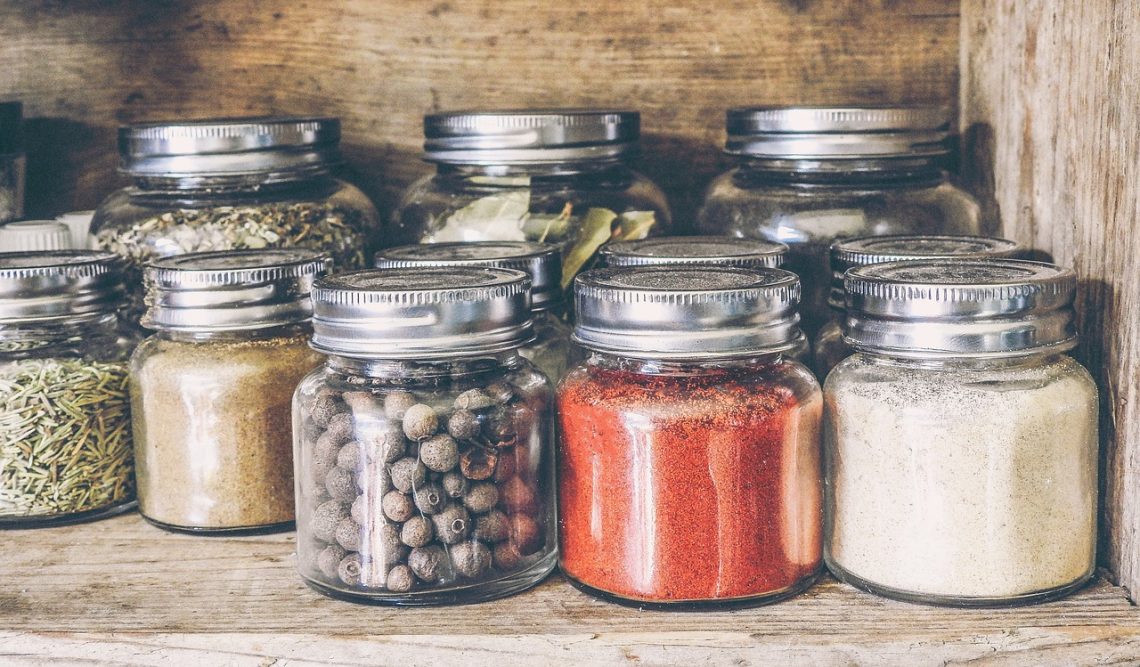
You do not need a hundred jars. A focused set covers most cooking: black pepper, paprika, cumin, coriander, chili powder or flakes, cinnamon, oregano, thyme, and bay leaves. Buy small quantities, label them with the date, and replace them when they lose aroma. Whole spices keep longer than ground ones, but ground spices are more convenient for everyday cooking.
Aromatics and Alliums
Onions, garlic, and ginger are technically fresh produce, but they behave like pantry staples because they keep for weeks in a cool, dry, ventilated spot. They form the flavor base for soups, stews, stir-fries, and sauces. Shallots and leeks are useful variations. If you cook frequently, buy them in modest quantities so they do not sprout or rot before you use them.
Baking Basics
Even casual cooks benefit from a small baking shelf. It supports pancakes, quick breads, cookies, and simple cakes, and it provides thickening agents for savory cooking too.
- All-purpose flour
- Granulated and brown sugar
- Baking powder and baking soda
- Vanilla extract
- Cocoa powder
- Cornstarch
- Yeast if you bake bread
- Chocolate chips or chunks
Store flour and sugar in airtight containers to keep out moisture and pests. Baking powder and soda lose potency over time, so date them and replace them periodically.
Nuts, Seeds, and Dried Fruit
These add texture and richness to both sweet and savory dishes. Almonds, walnuts, and peanuts are versatile; sesame and sunflower seeds are useful for toppings and baking. Raisins and dried cranberries keep well and work in grain dishes, salads, and baked goods. Nuts go rancid faster than many staples, so store them in the refrigerator or freezer if you use them slowly.
How to Store Pantry Staples
Proper storage protects both quality and budget. A few habits make a noticeable difference.
- Use airtight containers for flour, grains, sugar, and cereals to deter pests and moisture.
- Keep the pantry cool, dry, and dark; heat and light accelerate spoilage.
- Label containers with contents and dates, especially when transferring from original packaging.
- Rotate stock, placing older items in front and newer ones behind.
- Refrigerate or freeze nuts, whole-grain flours, and seeds for longer shelf life.
- Check spices by smell rather than relying only on printed dates.
Building Your Pantry Gradually
Stocking a pantry all at once is expensive and often wasteful. A better approach is to buy staples as recipes call for them, then replace them when they run out. Over a few months, the pantry naturally fills with ingredients you actually use.
Start with the essentials: salt, pepper, oil, rice or pasta, canned tomatoes, onions, and garlic. Add one or two spices at a time as you cook. When a recipe calls for an unfamiliar condiment, buy a small jar and see whether it earns repeat use. This gradual method keeps costs manageable and prevents shelves from filling with forgotten items.
A Sample Everyday Pantry List
The following list is a practical starting point rather than a rule. Adjust it to your cooking style, dietary needs, and household size.
| Category | Examples |
|---|---|
| Fats | Olive oil, neutral oil, butter |
| Grains and starches | Rice, pasta, oats, flour, cornstarch |
| Canned goods | Tomatoes, beans, chickpeas, tuna, coconut milk |
| Seasonings | Salt, pepper, paprika, cumin, oregano, bay leaves |
| Condiments | Soy sauce, vinegar, mustard, hot sauce, honey |
| Baking | Baking powder, baking soda, sugar, vanilla, cocoa |
| Aromatics | Onions, garlic, ginger |
| Extras | Nuts, seeds, dried fruit, olives, pickles |
Common Pantry Mistakes to Avoid
Even well-intentioned pantries run into trouble. Buying oversized packages of ingredients you rarely use leads to waste. Ignoring expiration dates means discovering spoiled items only when you need them. Storing spices above the stove exposes them to heat and steam, which dulls their flavor quickly. And treating the pantry as a museum rather than a working supply discourages the improvisation it is meant to support.
A pantry works best when it is used, checked, and refreshed. A quick inventory every few months helps you spot duplicates, use up older items, and plan meals around what you already own.
Turning Staples into Meals
The real payoff of a stocked pantry is flexibility. With oil, garlic, canned tomatoes, pasta, and a hard cheese, you have a satisfying dinner. Add rice, beans, cumin, and a lime, and you have a different meal entirely. Oats, flour, and sugar cover breakfast and baking. Soy sauce, vinegar, and honey make a quick glaze for almost any protein or vegetable.
None of this requires gourmet shopping or a large kitchen. It requires a modest, well-chosen core of ingredients and the habit of keeping them in good condition. Build the pantry around the food you genuinely like to eat, and everyday cooking becomes faster, more economical, and considerably less stressful.
Illustrative stock photo: monicore / Pixabay.