Fresh herbs are one of the most frustrating ingredients to keep alive. You buy a fragrant bunch of cilantro or basil, use a handful, and within a few days it has turned to slime or dried to dust in the refrigerator drawer. The good news: most herbs fail for predictable reasons, and matching the storage method to the type of herb solves most of the problem. Some herbs want to be treated like cut flowers, some want to be wrapped and chilled, and a few should never see the inside of a refrigerator at all.
Why Fresh Herbs Decline So Quickly
Herbs are living plant tissue. Once cut, they continue to respire, lose water through their leaves, and respond to temperature and humidity. Three factors drive most spoilage:
- Moisture on the leaves. Free water sitting on foliage encourages mold and bacterial rot. Wet leaves plus a sealed bag is the classic recipe for slimy herbs.
- Ethylene and cold sensitivity. Some herbs, especially basil, are damaged by refrigerator temperatures and darken or wilt. Others are sensitive to ethylene gas produced by fruits and vegetables stored nearby.
- Water loss. Soft-leaved herbs such as cilantro and parsley wilt fast if their stems dry out, which is why treating them like cut flowers works so well.
Understanding which category an herb falls into tells you almost everything about how to store it.
Sort Your Herbs Into Three Groups
Before you store anything, identify what you have. The three broad groups below behave differently and need different handling.
| Group | Examples | Best storage approach |
|---|---|---|
| Tender, soft-stemmed herbs | Cilantro, parsley, mint, dill, chervil, tarragon | Stems in water, loosely covered, refrigerated |
| Delicate, cold-sensitive herbs | Basil, Thai basil | Room temperature, stems in water, never chilled |
| Woody, hardy herbs | Rosemary, thyme, oregano, sage, bay, marjoram | Damp paper towel in a bag, or hang or freeze |
Method 1: The Cut-Flower Method for Soft Herbs
Cilantro, parsley, mint, dill, and tarragon last dramatically longer when their stems sit in water. This keeps the leaves hydrated and prevents the wilting that happens within a day or two of sitting dry in a bag.
- Trim the bottom half-inch or so of the stems with a sharp knife. A clean cut absorbs water better than a crushed or torn end.
- Remove any leaves that would sit below the waterline. Submerged leaves rot and foul the water quickly.
- Stand the bunch in a glass or jar with an inch or two of cool water, like a small bouquet.
- Cover the leaves loosely with a plastic bag or a reusable produce bag. The cover limits water loss without sealing in so much moisture that mold takes hold.
- Refrigerate, and change the water every two to three days.
Stored this way, parsley and cilantro often hold up for one to two weeks, and mint can last even longer. Keep the jar away from the coldest part of the fridge, where leaves can freeze and blacken.
A quicker alternative: the damp-towel wrap
If you do not want a jar taking up shelf space, wrap dry, unwashed bunches in a slightly damp paper towel, place them in a loosely closed plastic bag or a ventilated container, and refrigerate. This works well for parsley, cilantro, and dill and is a good option when you have several bunches competing for room.
Method 2: Keep Basil Out of the Fridge
Basil is the exception that trips up almost everyone. It is a tropical plant and chills easily; refrigerator temperatures cause the leaves to wilt, turn black, and lose their aroma. Treat basil like a bouquet on the counter instead:
- Trim the stems and stand the bunch in a glass of water at room temperature, out of direct sun.
- Change the water every day or two and trim the stems occasionally.
- Do not cover the leaves tightly; basil likes airflow.
- Keep it away from bananas and other ethylene-producing fruit, which speed up browning.
Basil stored this way can stay usable for a week or more. If you must refrigerate it, accept that it will darken within a few days; it is still fine for cooking, though not for a raw garnish.
Method 3: The Damp-Towel Wrap for Woody Herbs
Rosemary, thyme, oregano, sage, and marjoram are tougher and drier by nature, so they need less fuss but still benefit from a little humidity. Wrap the bunch loosely in a barely damp paper towel, tuck it into a loosely closed bag or a container with a vent, and refrigerate. Woody herbs generally keep for one to three weeks this way.
For longer storage, these herbs dry and freeze particularly well because their flavor is concentrated and their texture matters less once cooked.
Should You Wash Herbs Before Storing?
In most cases, no. Wash herbs only when you are ready to use them. Surface moisture is the single biggest cause of spoilage in stored herbs, and drying leaves thoroughly before storage is difficult to do well. If you do wash a bunch, dry it carefully in a salad spinner and then pat it dry with a clean towel before storing. A little grit on unwashed herbs is easy to rinse off later.
Freezing Fresh Herbs: What Works and What Doesn’t
Freezing is the most reliable long-term option, but the results vary by herb and by method.
Freezing in oil or water
Chop hardy herbs such as rosemary, thyme, oregano, and sage, pack them into ice cube trays, and cover with olive oil or water. Freeze, then transfer the cubes to a bag. Oil cubes go straight into a hot pan; water cubes are handy for soups and stews. This preserves color and flavor far better than freezing dry leaves.
Freezing whole leaves
Spread dry leaves on a tray, freeze until solid, then bag them. This works reasonably well for parsley, cilantro, dill, and mint when the herbs will be cooked. Expect the leaves to soften and darken on thawing, so use them in sauces, soups, and stews rather than as a garnish. Basil freezes poorly on its own because it blackens, but basil blended with oil and frozen in cubes holds up well for cooking.
What not to freeze
Do not freeze delicate herbs you plan to use raw. Mint, basil, and cilantro lose their crisp texture completely. Freeze them only for cooked applications.
Drying Herbs at Home
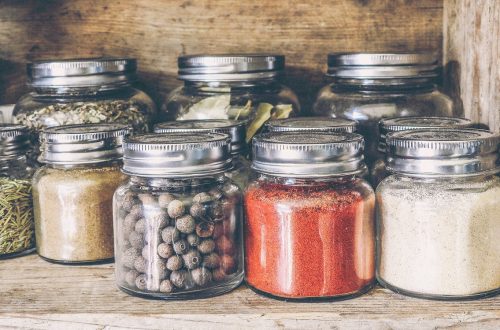
Woody herbs dry well and keep for months in an airtight jar away from light and heat. Three simple approaches:
- Air drying: Tie small bundles and hang them upside down in a warm, dry, well-ventilated spot out of direct sun. Herbs are ready when leaves crumble easily.
- Paper-bag drying: Place bundles in a paper bag with holes punched for airflow. This keeps dust off and catches falling leaves.
- Oven or dehydrator drying: Use the lowest setting, with the door slightly ajar for an oven, and check frequently. Heat that is too high drives off the volatile oils that carry flavor.
Soft herbs such as basil, cilantro, and parsley lose much of their character when dried. Freezing or using them fresh is usually a better bet.
Common Storage Mistakes to Avoid
- Sealing wet herbs in a tight bag. This traps moisture and produces slime within days.
- Refrigerating basil. Cold damage turns the leaves black.
- Storing herbs near ethylene producers. Apples, bananas, and ripe tomatoes accelerate yellowing and decay.
- Cramming bunches into the crisper drawer. Bruised leaves rot faster; give herbs a little space.
- Chopping ahead of time. Cut herbs oxidize and lose aroma quickly. Chop just before using.
- Ignoring the water. A jar of cloudy water does more harm than good; change it regularly.
How Long Will They Last?
These are realistic ranges under good conditions, not guarantees. Fresher herbs at the start of storage will always last longer.
| Herb | Storage method | Typical lifespan |
|---|---|---|
| Cilantro, parsley | Stems in water, covered, refrigerated | 1–2 weeks |
| Mint | Stems in water, covered, refrigerated | 1–2 weeks |
| Dill, tarragon | Stems in water or damp towel, refrigerated | About 1 week |
| Basil | Stems in water at room temperature | 1 week or more |
| Rosemary, thyme, sage, oregano | Damp towel in a bag, refrigerated | 1–3 weeks |
| Any herb, frozen in oil or water | Freezer | Several months |
| Dried woody herbs | Airtight jar, cool and dark | 6–12 months |
Small Habits That Make a Big Difference
A few routines keep herbs in good shape without much effort. Buy herbs with the stems still attached when possible; loose leaves decline faster. Trim stems as soon as you get home rather than waiting until the bunch has already wilted. Keep a dedicated small jar or two in the fridge door for herb bouquets so the method becomes automatic. And plan your cooking around what you have: if a bunch is nearing the end of its life, blend it into a sauce, pesto, or herb butter rather than letting it go to waste.
Finally, taste before you toss. Slightly wilted herbs are often perfectly fine for cooked dishes even when they are past their prime as a garnish. The goal is not perfection but a little more usable life from every bunch you buy.
Illustrative stock photo: luiza_83 / Pixabay.